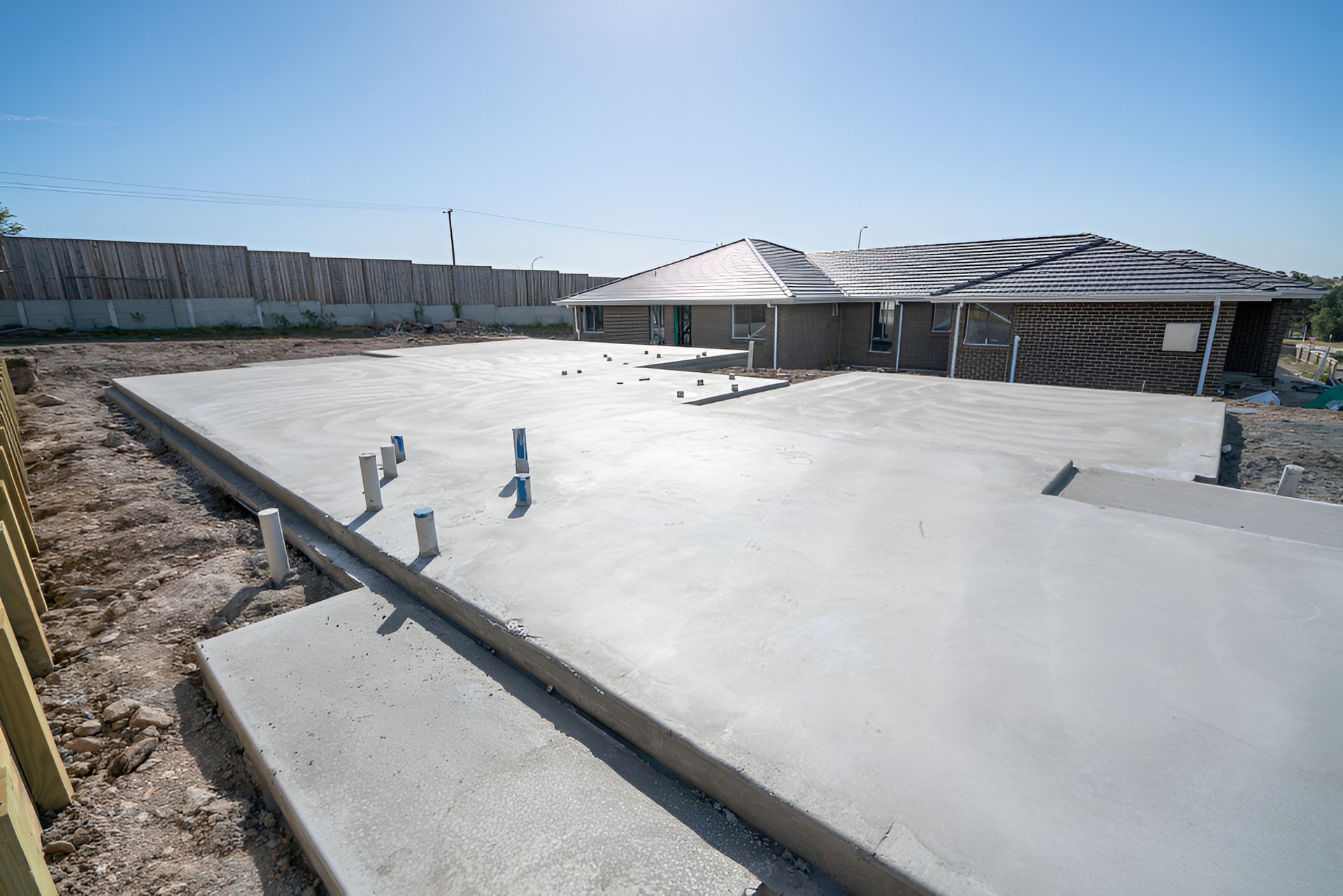
Preventing Cracks And Damage In Concrete Surfaces

Ostojic Group • April 16, 2026
Divider Icon

Concrete is one of the most widely used building materials across both residential and commercial properties. It is valued for its strength, durability and ability to handle a wide range of applications, from driveways and pathways to large slabs and outdoor entertaining areas. However, even well-installed concrete can develop cracks or surface damage if the right precautions are not taken.


Preventing these issues requires a combination of proper installation practices and ongoing care. By understanding how concrete behaves and what influences its performance, property owners and builders can take practical steps to maintain strong, stable and visually consistent surfaces over time.

Why Concrete Cracks and Damage Occur Over Time

Concrete is designed to be durable, but it naturally responds to changes in its environment. As it dries, expands and contracts, small stresses can develop within the material. Over time, these stresses may result in visible cracks or surface deterioration.


Concrete maintenance plays an important role in identifying these issues early and preventing them from becoming more serious.


Common causes of cracking include:


  • Shrinkage during the drying and curing process
  • Movement in the ground beneath the slab
  • Temperature changes causing expansion and contraction
  • Excessive loads or pressure placed on the surface

The Importance of Proper Site Preparation Before Pouring

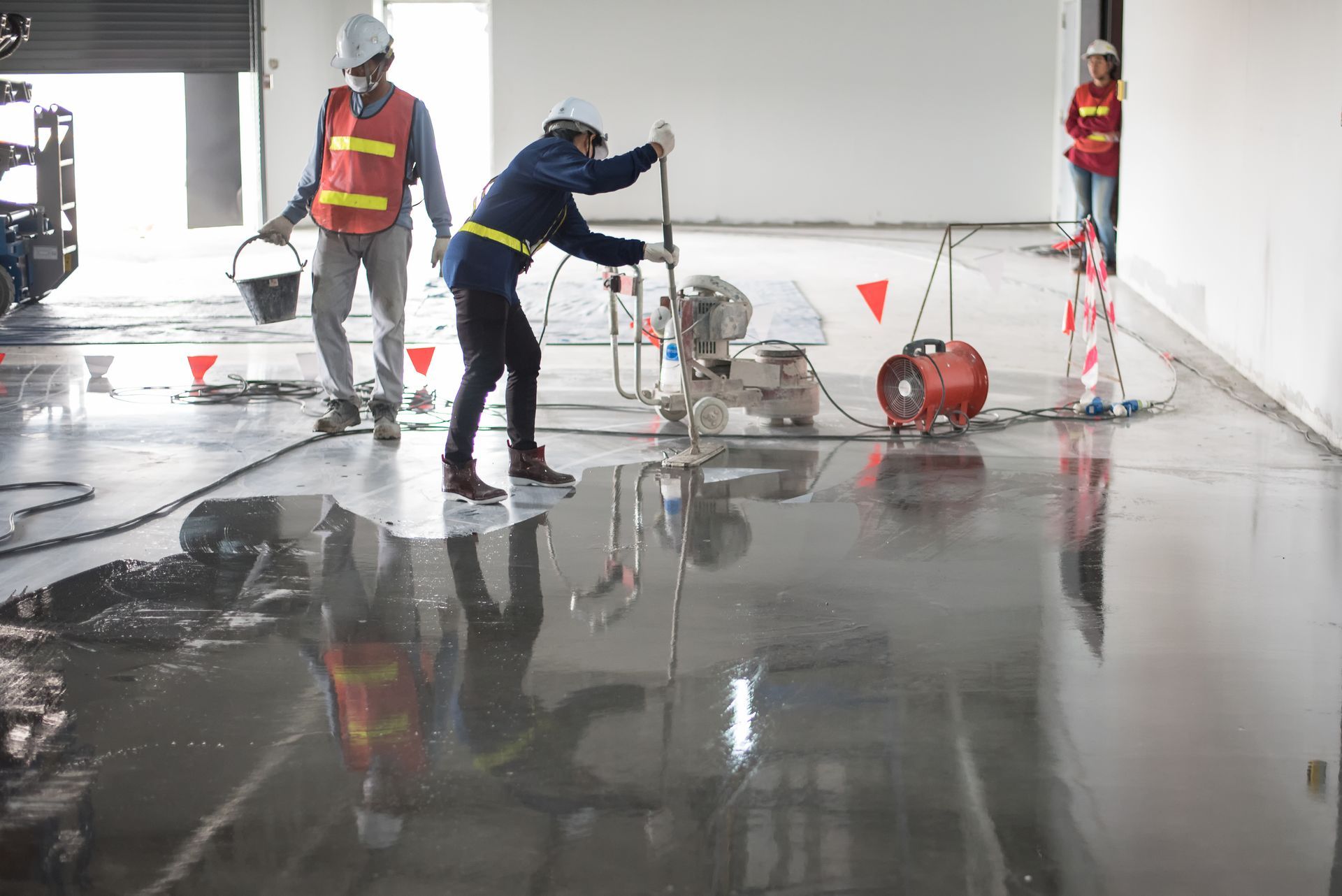
The long-term performance of concrete begins with what happens before it is even poured. A poorly prepared base can lead to uneven settling, movement and eventual cracking.


Concrete surface protection starts with ensuring the ground beneath the slab is stable, level and properly compacted.


Key preparation steps include:


  • Clearing and levelling the site thoroughly
  • Compacting soil to create a firm, stable foundation
  • Installing drainage to prevent water build-up
  • Ensuring consistent support across the entire slab area

Using the Right Mix Ratios for Long-Term Strength

The strength and durability of concrete depend heavily on the quality of the mix. Incorrect ratios of cement, water and aggregates can weaken the material and increase the likelihood of cracks forming.


To prevent concrete cracks, it is essential to use a mix that suits both the application and the local conditions.


Important considerations include:


  • Maintaining the correct water-to-cement ratio
  • Using high-quality aggregates for stability
  • Avoiding excess water that reduces strength
  • Matching the mix design to the intended use of the surface

Concrete Curing Tips That Make a Real Difference

Curing is a critical stage that directly affects the strength and durability of concrete. Without proper curing, the surface may dry too quickly, leading to shrinkage and cracking.


Concrete curing tips focus on controlling moisture and temperature to allow the material to strengthen gradually.


Effective curing methods include:


  • Keeping the surface consistently moist during early stages
  • Protecting concrete from direct sunlight and strong winds
  • Using curing compounds where appropriate
  • Allowing sufficient time before applying weight or traffic

Why Control Joints in Concrete Are Essential

Control joints in concrete are designed to manage natural movement within the material. As concrete expands and contracts, these joints provide a designated location for stress to be released.


Without control joints, cracks can form unpredictably across the surface, affecting both appearance and performance.


Benefits of control joints include:


  • Reducing uncontrolled cracking across the slab
  • Allowing for natural expansion and contraction
  • Improving the overall appearance of the surface
  • Supporting long-term structural integrity

Protecting Concrete from Environmental Stress

Environmental conditions can significantly impact how concrete performs over time. Exposure to heat, moisture and weather variations can accelerate wear and contribute to surface damage.


Concrete slab protection involves taking steps to minimise these environmental effects and maintain durability.


Common environmental challenges include:


  • Expansion and contraction due to temperature changes
  • Moisture penetration weakening the surface
  • Heavy rainfall affecting stability and drainage
  • Prolonged exposure to harsh outdoor conditions

Ongoing Concrete Maintenance for Residential and Commercial Surfaces

Regular maintenance is essential for extending the lifespan of concrete and maintaining its appearance. Both residential concrete care and commercial concrete maintenance involve monitoring surfaces and addressing issues early.


Consistent upkeep helps prevent minor problems from developing into more serious damage.


Maintenance practices include:


  • Cleaning surfaces to remove dirt and debris
  • Applying sealers to protect against moisture
  • Inspecting regularly for early signs of wear
  • Repairing minor cracks before they expand

Why Preventative Measures Save Time and Cost in the Long Run

Taking a proactive approach to concrete care can significantly reduce the risk of major repairs or replacement in the future. Preventative measures help maintain the strength and appearance of concrete surfaces while minimising long-term costs.


Rather than reacting to damage after it occurs, focusing on prevention allows property owners to manage their surfaces more effectively and avoid disruptions.


Long-term benefits include:


  • Reduced likelihood of extensive cracking or structural damage
  • Lower repair and maintenance costs over time
  • Improved durability and lifespan of concrete surfaces
  • Consistent appearance and safer surfaces for everyday use
  • Greater confidence in the performance of driveways, slabs and walkways


By prioritising concrete maintenance and taking steps to prevent concrete cracks early, both residential and commercial properties can benefit from stronger, more reliable surfaces that perform well under a wide range of conditions.

Protect Your Concrete with the Right Approach

If you’re planning a new project or want to maintain existing surfaces, we at Ostojic Group provide reliable solutions for concrete Darwin projects, helping ensure strong, durable and well-maintained results.


Our team focuses on proper site preparation, correct installation techniques and practical advice for long-term care. By taking a preventative approach from the beginning, you can reduce the risk of cracking, improve surface performance and protect your investment well into the future.

Concrete batching plant with large industrial silos and mixer trucks parked on-site
By Ostojic Group March 23, 2026
Concrete is widely used in residential and commercial construction due to its strength, durability and versatility, from driveways and footpaths to slabs.
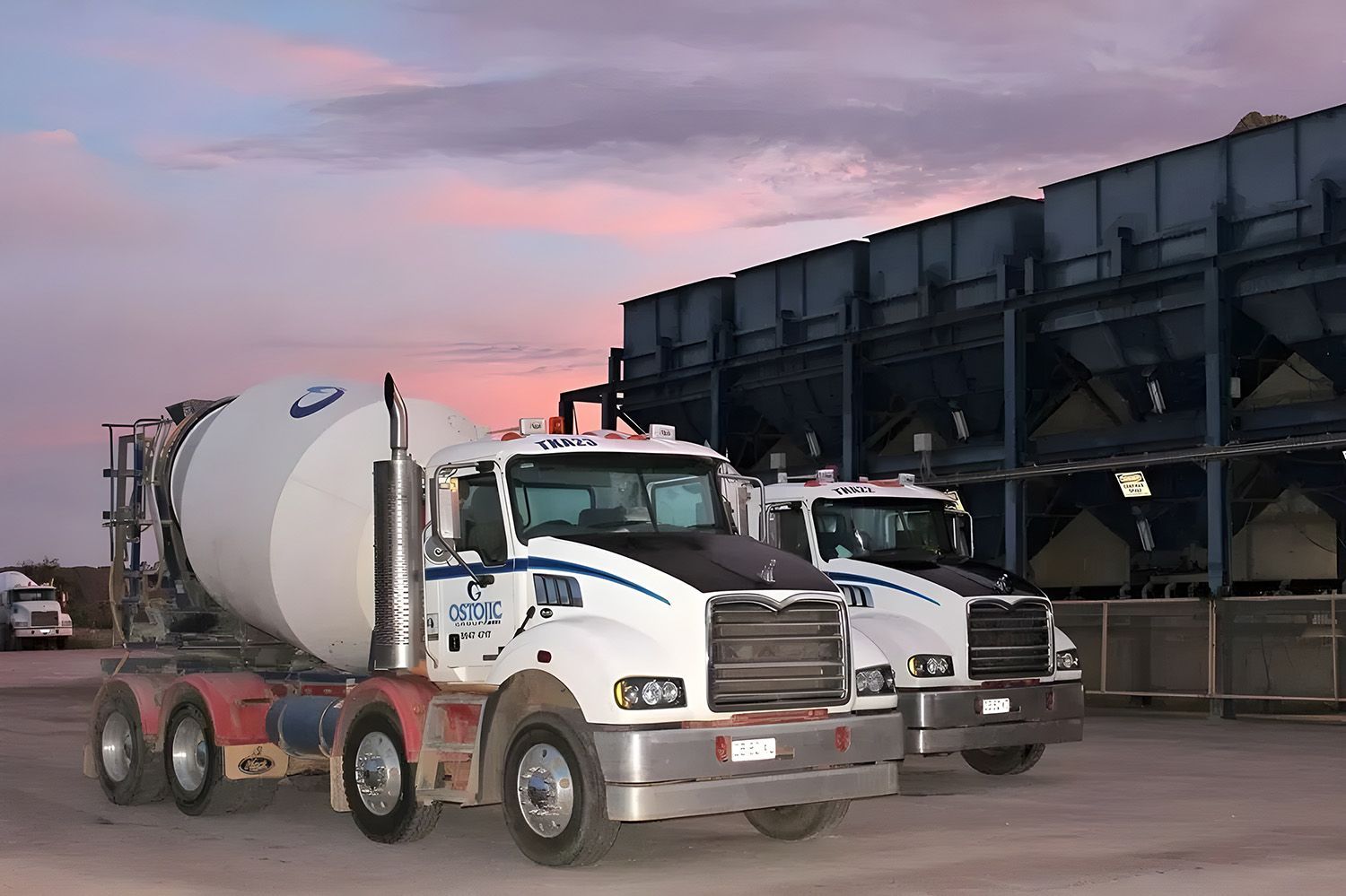
Two White Cement Mixer Trucks Parked In Front Of Industrial Storage Silos
By Ostojic Group March 13, 2026
Proper site preparation is key for durable concrete in Darwin. Learn about soil compaction, levelling & drainage for a quality finish on your project.
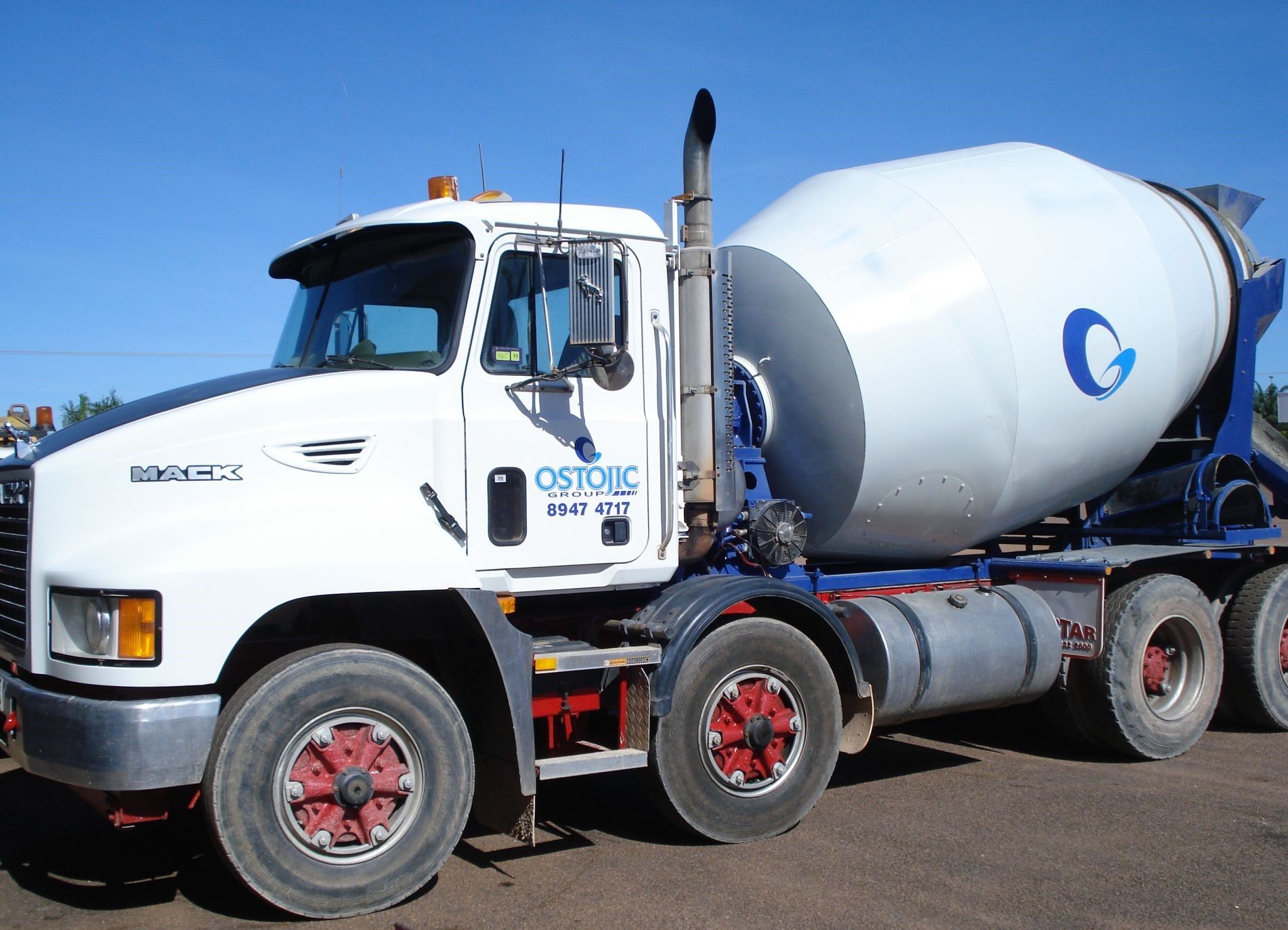
White Concrete Truck Parked
By Ostojic Group January 13, 2026
Learn how concrete in Darwin strengthens commercial builds with durable foundations floors and infrastructure. Read now to plan your project.
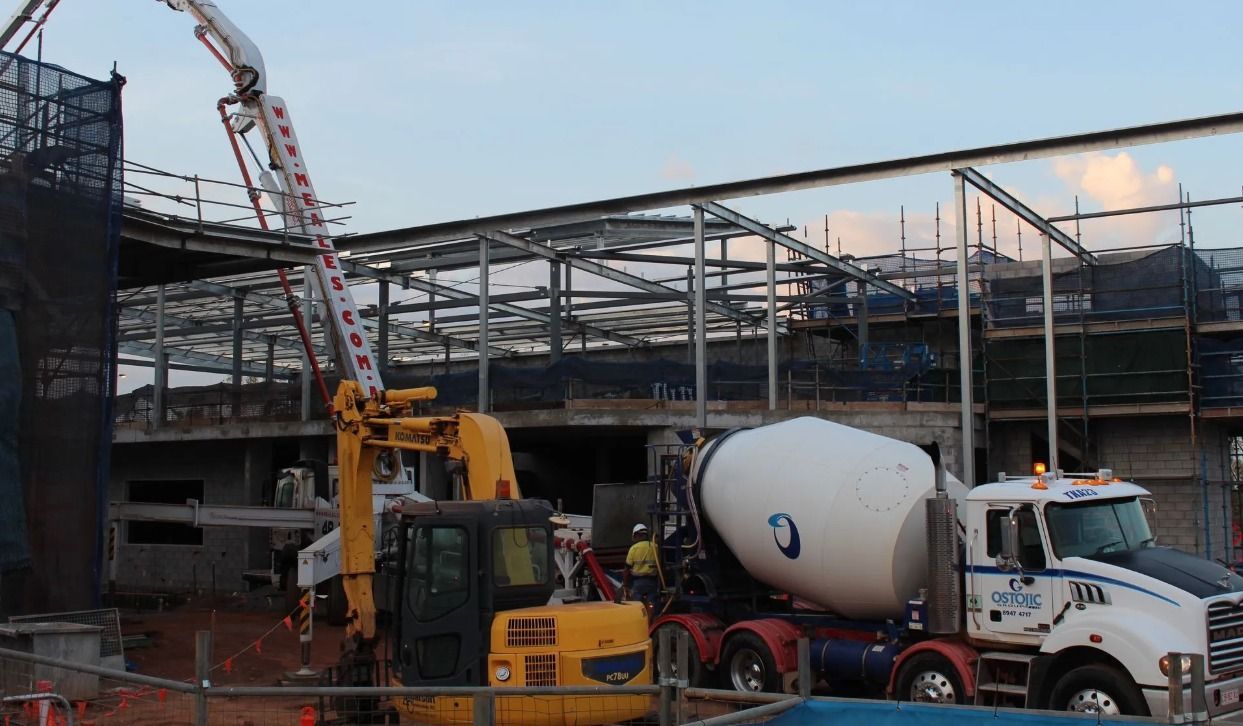
Cement Truck Positioned To Concrete
By Ostojic Group November 19, 2025
Best times to pour concrete in Darwin: early mornings or nights avoid heat and humidity, plus smart scheduling boosts strength. Contact us now!
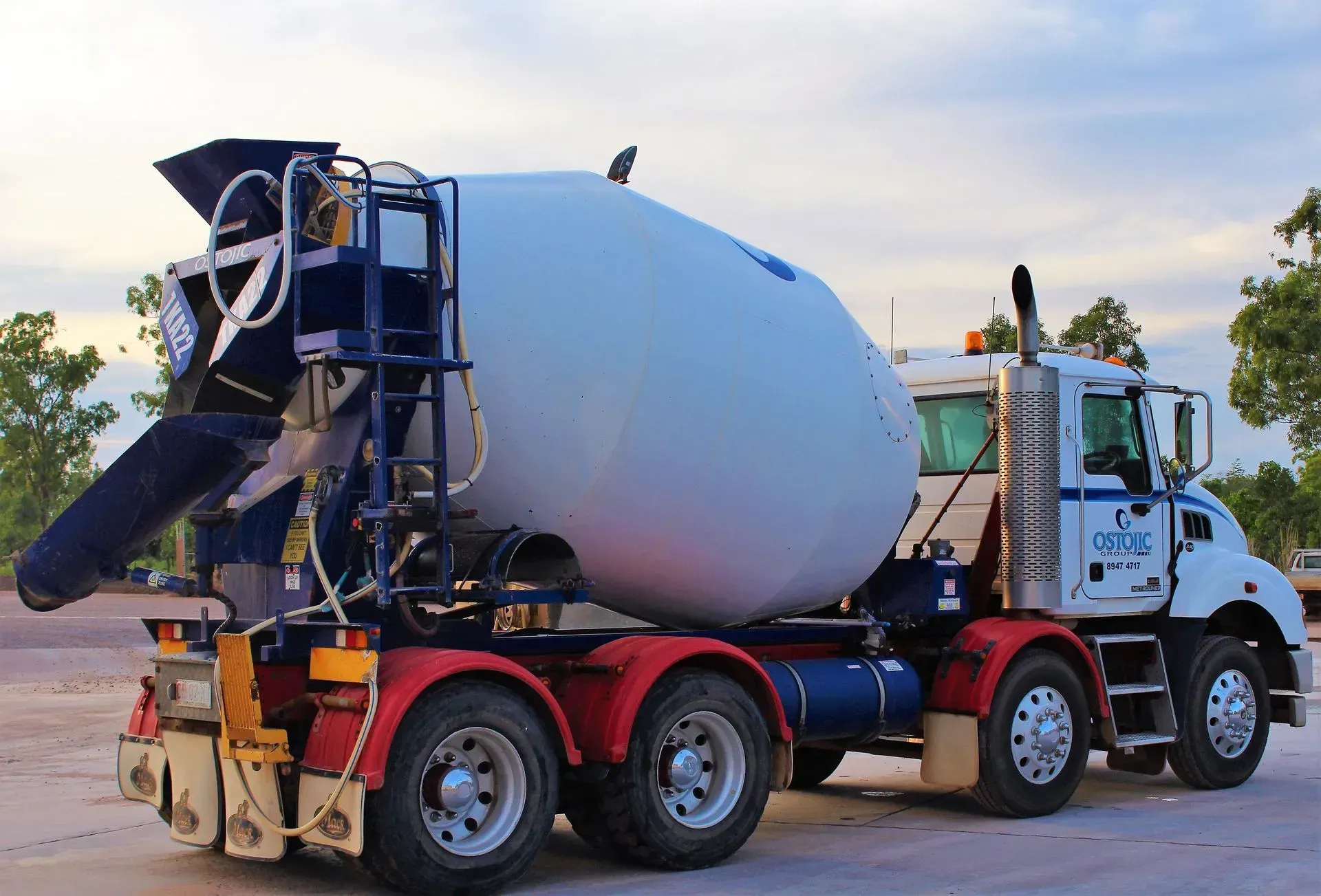
Cement Mixer Truck With White Drum, Parked Outside, Blue And Red Accents
By Ostojic Group October 2, 2025
Discover why concrete is ideal for tropical conditions. Learn the benefits of durable, weather-resistant Concrete Darwin and start your project today.