Site Preparation For Concrete Projects In Darwin

Ostojic Group • March 13, 2026
Divider Icon

Concrete is one of the most durable and versatile construction materials available, but its long-term performance depends heavily on what happens before the first pour. In Darwin’s tropical climate, proper site preparation is not simply a preliminary step – it is the foundation for strength, durability and structural integrity. Poor preparation can lead to cracking, subsidence, drainage problems and costly repairs down the track.


For property owners planning a project involving concrete in Darwin, understanding the importance of site preparation helps ensure a stable base and a high-quality finish. Whether you are searching for concrete near me for a driveway, slab or commercial application, the groundwork beneath the surface determines how well the concrete will perform over time. Taking the time to prepare the site correctly reduces risk, improves structural reliability and supports a cleaner, more professional finish once the concrete has cured.

Clearing the Site & Removing Obstructions

The first step in any concrete project is preparing a clean and stable working area. This involves removing vegetation, debris and any material that could compromise the integrity of the base once concrete is poured.


Effective site clearing includes:


  • Removing grass, roots and organic matter
  • Excavating unsuitable or unstable soil
  • Clearing debris, rocks and construction waste
  • Ensuring adequate access for machinery and equipment


Organic material left beneath concrete can decompose and create voids, leading to movement or cracking. In Darwin’s climate, where plant growth is rapid and root systems can be extensive, thorough clearing is especially important. Ensuring the site is properly stripped back to stable ground sets the foundation for every stage that follows and prevents hidden weaknesses beneath the slab.

Excavation & Achieving the Correct Depth

Once the site is cleared, excavation ensures the correct depth is established for the intended concrete structure. Different applications require different base depths depending on load requirements and expected usage.


Excavation typically involves:


  • Cutting to the specified depth
  • Removing reactive or unstable soil
  • Allowing sufficient space for base material
  • Maintaining consistent levels across the site


If excavation is too shallow, the finished slab may lack the structural support needed for long-term durability. If it is too deep without proper backfilling and compaction, settlement issues can occur. Careful measurement and levelling at this stage ensures the concrete surface will sit correctly relative to surrounding structures, finished floor heights and adjacent landscaping.

Levelling & Setting Accurate Gradients

Levelling ensures the surface is evenly graded and prepared to the correct height before base materials and concrete are installed. Accurate levels are critical for both structural performance and water management.


Levelling work typically includes:


  • Using laser levels to establish consistent heights
  • Creating correct falls for drainage
  • Checking alignment against surrounding structures
  • Confirming slab thickness allowances


If a site is not levelled correctly, the finished surface may suffer from uneven slab thickness, poor drainage or long-term stress points. In Darwin’s high rainfall environment, incorrect falls can quickly lead to water pooling or erosion around the slab. Precise levelling during preparation ensures the concrete performs as intended and maintains a professional finish.

Soil Assessment & Compaction for Stability

Darwin’s soil conditions vary from sandy soils to reactive clay, and each type behaves differently under load and moisture changes. Assessing the soil type is critical before laying any base material.


Soil preparation often includes:


  • Assessing ground stability and soil classification
  • Compacting existing soil layers
  • Adding engineered fill where required
  • Testing compaction levels for compliance


Compaction increases soil density and reduces air gaps that can lead to settlement. Without proper compaction, even professionally poured concrete can crack as the ground shifts beneath it. Given Darwin’s seasonal rainfall patterns and high moisture levels, ensuring soil stability is one of the most important steps in preparation and one that directly affects long-term performance.

Installing a Suitable Base Material

A strong and well-compacted base layer provides structural support and distributes loads evenly across the slab. The quality of this layer directly influences how well the finished concrete performs over time.


Base preparation may involve:


  • Laying crushed rock or aggregate
  • Spreading material evenly across the excavation
  • Compacting in controlled layers
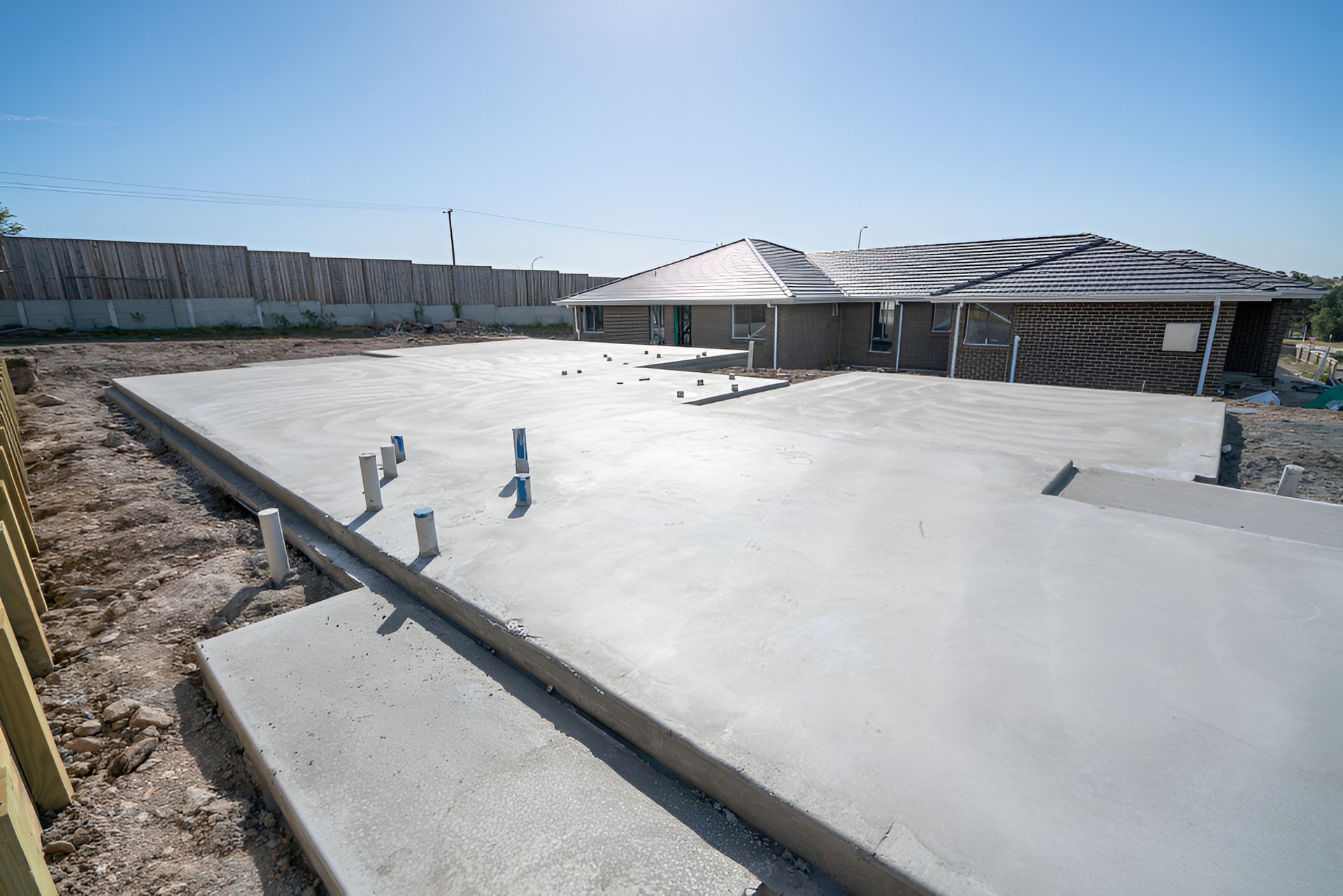
  • Checking final levels and required gradients


The base acts as both structural support and a drainage layer. For projects involving Concrete Darwin, this step is particularly important in managing heavy rainfall and reducing moisture retention beneath the slab. A properly installed base minimises the risk of subsidence, improves load-bearing capacity and helps extend the lifespan of the finished surface.

Formwork Installation & Structural Reinforcement

Formwork establishes the boundaries, shape and height of the concrete structure. Accurate installation ensures clean lines and consistent levels throughout the project.


Formwork and reinforcement preparation includes:


  • Setting out measurements according to plans
  • Installing secure and level form boards
  • Bracing forms to prevent movement during pouring
  • Positioning reinforcement such as mesh or rebar


Reinforcement strengthens the concrete by improving its ability to resist tensile forces and cracking. In residential driveways, slabs and commercial hardstands, reinforcement helps manage stress from vehicle loads and environmental movement. Attention to detail during formwork installation prevents shifting during the pour and supports a professional finish.

Drainage Planning & Water Management

Water management is a critical consideration for concrete projects in Darwin. Heavy rainfall, high humidity and tropical storms can all affect both the preparation phase and the long-term durability of the slab.


Drainage considerations include:


  • Establishing correct fall and surface gradients
  • Preventing water pooling around structures
  • Directing runoff away from buildings
  • Protecting surrounding landscaping and soil


If water is allowed to pool or collect beneath a slab, it can erode supporting material and create instability. Properly planned drainage ensures excess water is directed away from the structure, preserving both the concrete and the surrounding property. Incorporating drainage at the preparation stage prevents avoidable structural problems in the future.

Allowing for Expansion & Movement

Concrete naturally expands and contracts in response to temperature changes. In Darwin’s warm and often humid climate, this movement must be anticipated to prevent stress-related cracking.


Movement control measures may include:


  • Installing expansion joints
  • Cutting control joints after curing
  • Allowing clearance around fixed structures
  • Planning load distribution carefully


Expansion joints provide controlled points for movement, reducing the risk of uncontrolled cracking. Considering these elements during preparation ensures the finished surface can adapt to environmental conditions without compromising structural integrity or appearance.

Final Pre-Pour Checks & Quality Assurance

Before concrete is poured, a comprehensive inspection confirms that all preparation steps have been completed correctly. This stage ensures the project is ready for a smooth and efficient pour.


Pre-pour checks may involve:


  • Confirming soil and base compaction levels
  • Inspecting reinforcement positioning
  • Verifying levels and surface gradients
  • Ensuring formwork is secure and correctly aligned


Attention to detail at this stage prevents costly corrections later. Identifying minor issues before pouring ensures the final result meets durability, safety and quality expectations.

Why Proper Site Preparation Matters for Concrete Projects in Darwin

Successful concrete work begins well before the concrete is delivered to site. In Darwin’s climate, careful preparation protects against shifting soils, heavy rainfall and temperature-related expansion. Each stage of site preparation contributes to the long-term strength, safety and performance of the finished surface.


At Ostojić Group, we provide professional solutions for concrete in Darwin, ensuring every project begins with thorough site preparation and attention to detail. If you are planning a driveway, slab or commercial works, and searching for a reliable concreter near me, contact our team to discuss how proper groundwork supports a durable and high-quality finish.

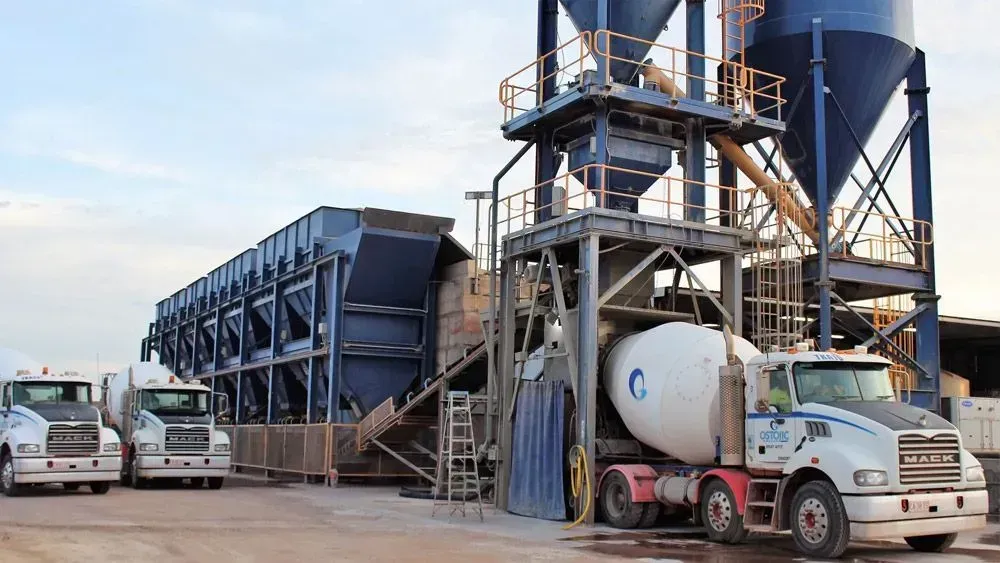
Concrete batching plant with large industrial silos and mixer trucks parked on-site
By Ostojic Group March 23, 2026
Concrete is widely used in residential and commercial construction due to its strength, durability and versatility, from driveways and footpaths to slabs.
White Concrete Truck Parked
By Ostojic Group January 13, 2026
Learn how concrete in Darwin strengthens commercial builds with durable foundations floors and infrastructure. Read now to plan your project.
Cement Truck Positioned To Concrete
By Ostojic Group November 19, 2025
Best times to pour concrete in Darwin: early mornings or nights avoid heat and humidity, plus smart scheduling boosts strength. Contact us now!
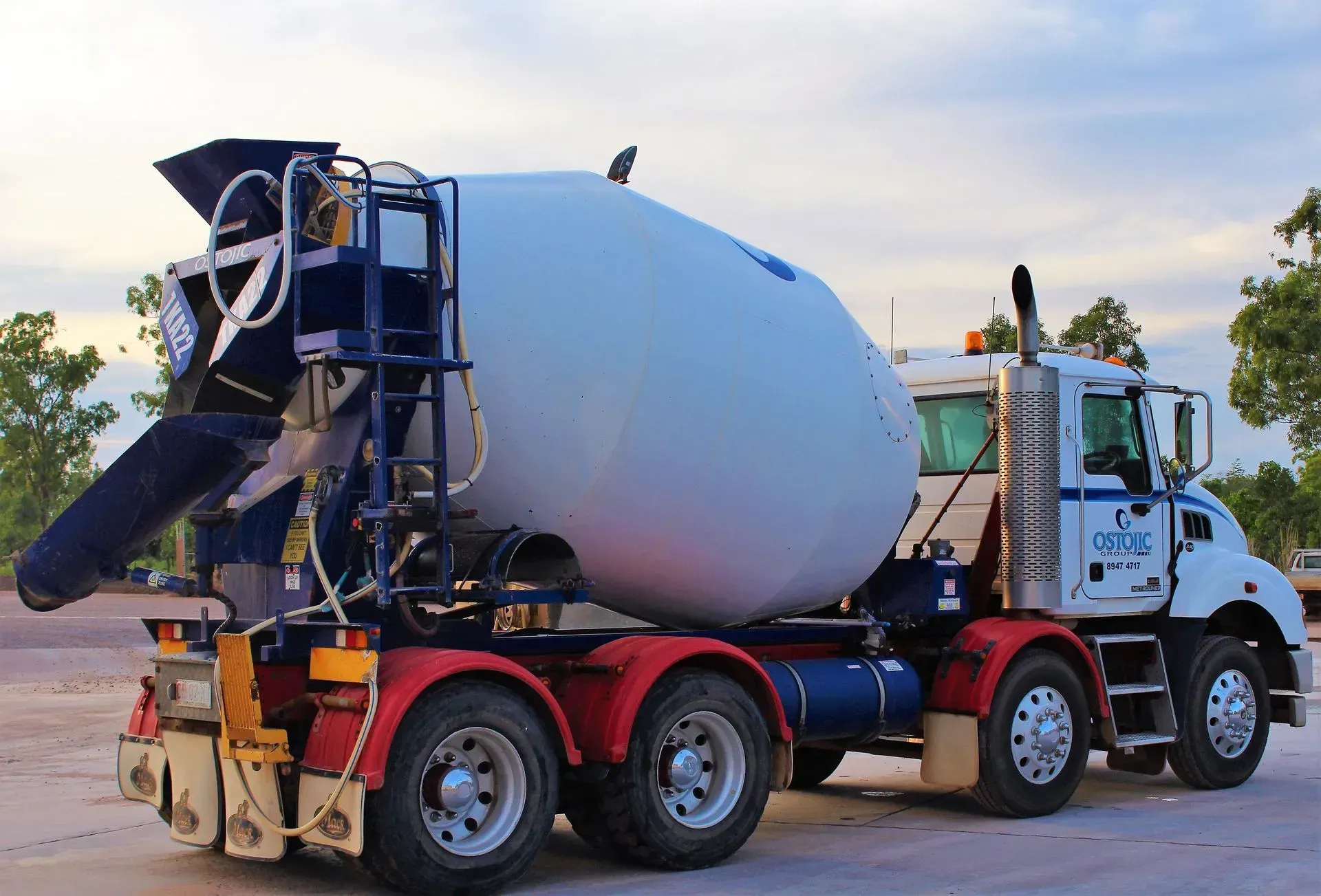
Cement Mixer Truck With White Drum, Parked Outside, Blue And Red Accents
By Ostojic Group October 2, 2025
Discover why concrete is ideal for tropical conditions. Learn the benefits of durable, weather-resistant Concrete Darwin and start your project today.