How Concrete Is Used In Darwin Commercial Construction Projects
In commercial construction, the materials chosen early in a project often determine how well a building performs over decades of use. Concrete remains one of the most relied-on construction materials across Australia’s commercial sector because it offers strength, adaptability and long-term value. From foundations and flooring to large-scale infrastructure, concrete in Darwin plays a critical role in how commercial environments are built, maintained and upgraded.
In regions where heat, moisture and heavy usage are constant considerations, concrete becomes more than just a structural necessity. It is a practical response to demanding conditions, tight project timelines and strict compliance requirements. Understanding how concrete in Darwin is used across commercial projects provides valuable insight for builders, developers and asset managers planning their next stage of construction or redevelopment.
Structural Foundations & Building Slabs
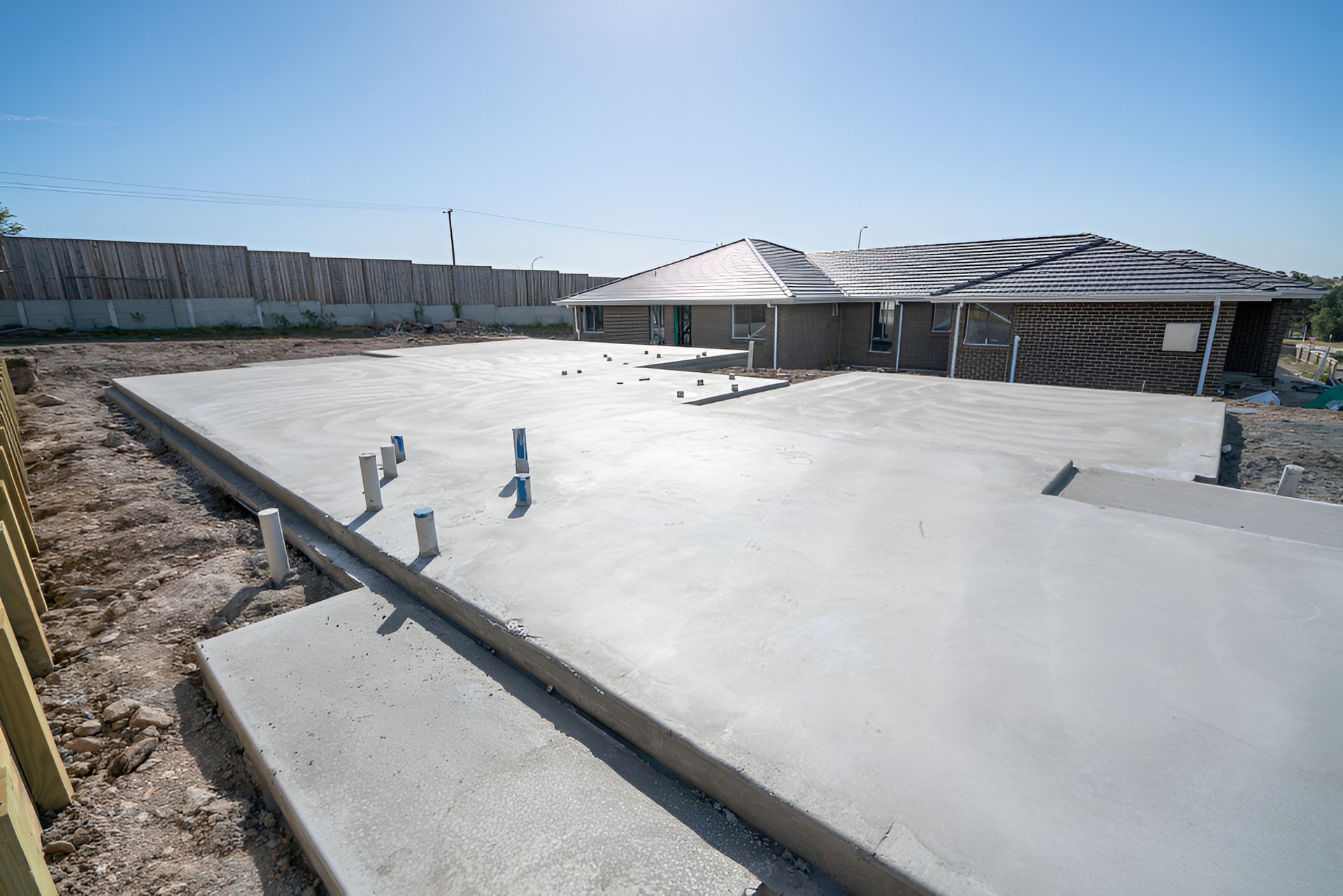
Every commercial project begins with a stable foundation, and concrete forms the backbone of that structural base. Building slabs support the entire load of a structure while providing a level, durable platform for further construction. In commercial settings, slabs must accommodate heavier loads, machinery and constant foot traffic without compromising performance.
Concrete foundations are designed to suit a wide range of building types, including offices, retail spaces, warehouses and mixed-use developments. Their flexibility allows engineers to tailor reinforcement and thickness to specific project requirements.
Key applications include:
- Ground slabs for commercial buildings
- Reinforced footings for load-bearing structures
- Suspended slabs for multi-level developments
Concrete’s ability to be poured and finished on site allows construction teams to meet precise design and engineering specifications.
Car Parks & Access Areas
Car parks are among the most heavily used areas in any commercial development. They must withstand daily vehicle loads, turning forces and exposure to weather without rapid deterioration. Concrete is widely used for both surface and multi-storey car parks due to its compressive strength and resistance to deformation.
Beyond durability, concrete provides design flexibility for ramps, drainage gradients and line marking. Its long service life reduces the need for frequent resurfacing, which is especially important in operational commercial environments.
Concrete is commonly used for:
- Surface & basement car parks
- Driveways & loading zones
- Access ramps & circulation areas
Properly designed concrete pavements also support effective water management through integrated falls and drainage systems.
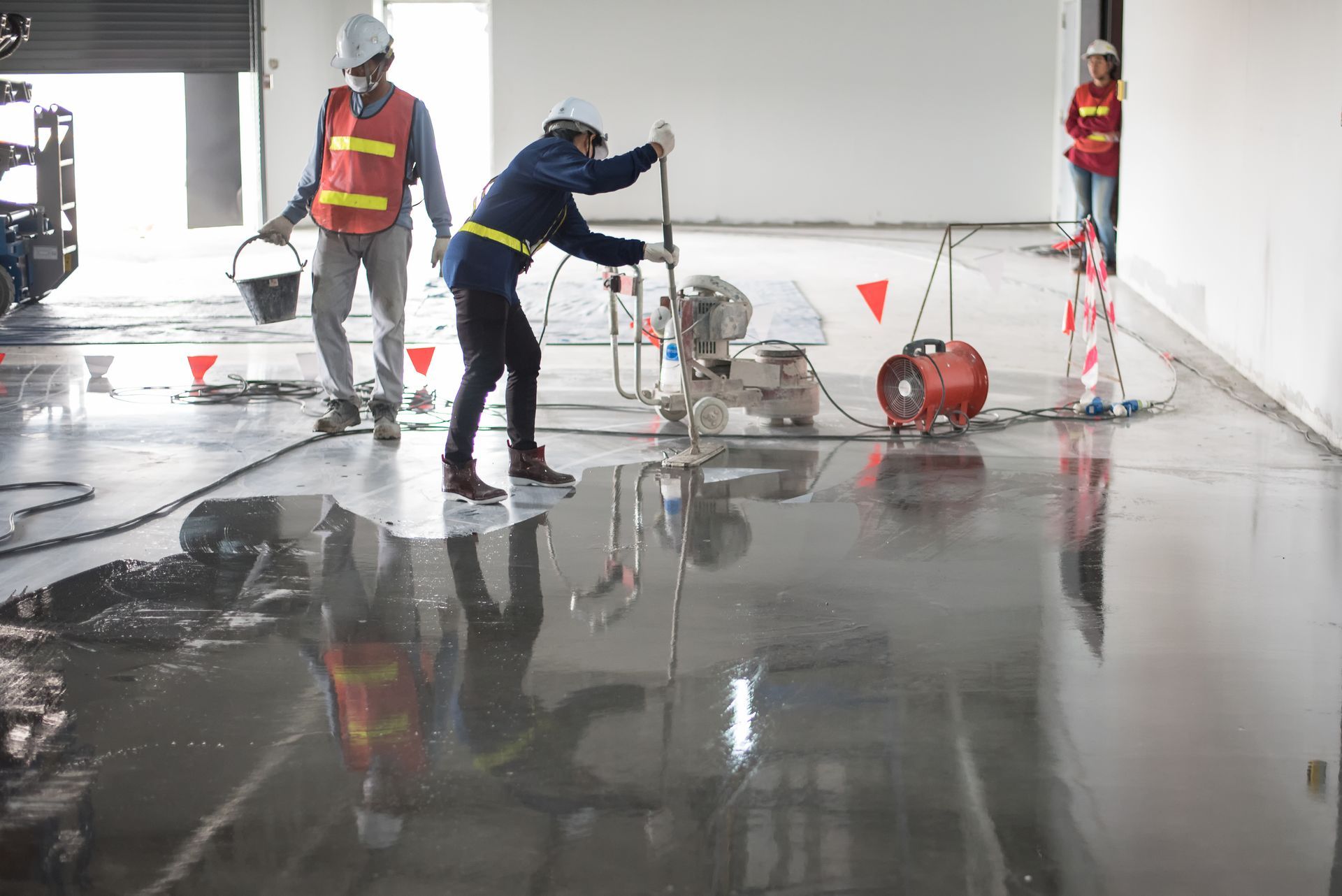
Industrial Flooring & High-load Environments
Industrial and commercial facilities often require flooring systems capable of supporting heavy equipment, forklifts and constant operational traffic. Concrete floors provide the load-bearing capacity and abrasion resistance needed for these demanding environments.
Specialised concrete mixes and finishing techniques can improve surface hardness, reduce dusting and enhance slip resistance. These qualities make concrete suitable for manufacturing facilities, distribution centres and large-format commercial spaces.
Typical uses include:
- Warehouse & factory floors
- Cold storage & processing facilities
- Workshops & service centres
Concrete flooring also supports compliance with workplace safety and hygiene standards when properly specified and maintained.
Civil Infrastructure & External Works
Concrete extends beyond building footprints into essential civil infrastructure that supports commercial operations. External works such as retaining walls, drainage structures and hardstand areas rely on concrete for stability and longevity.
These elements are critical for managing site levels, water flow and vehicle movements. Concrete’s performance under pressure makes it suitable for infrastructure exposed to environmental stress and regular use.
Common applications include:
- Retaining walls & boundary structures
- Stormwater pits & channels
- Hardstand areas for plant & equipment
Well-constructed concrete infrastructure contributes to safer, more efficient commercial sites.
Tilt-up Panels & Precast Elements
Tilt-up and precast concrete construction methods are widely used in commercial projects where speed and consistency are priorities. Panels are cast on-site or off-site and then lifted into place, forming structural walls quickly and efficiently.
This approach reduces construction time while maintaining high quality control. Concrete panels also provide excellent fire resistance and acoustic performance, making them suitable for a variety of commercial applications.
Advantages include:
- Faster building enclosure
- Reduced reliance on multiple materials
- Long-term durability with minimal maintenance
Tilt-up and precast systems are commonly used in industrial buildings, retail centres and large commercial facilities.
Durability in Challenging Climates
Concrete’s popularity in commercial construction is closely linked to its ability to perform in challenging environmental conditions. High temperatures, humidity and seasonal rainfall place ongoing stress on building materials, making durability a key consideration.
Concrete resists warping, corrosion and pest damage, unlike some alternative materials. When designed correctly, it maintains structural integrity and surface performance even under prolonged exposure to harsh conditions.
Performance benefits include:
- Resistance to moisture-related degradation
- Stable performance in temperature fluctuations
- Long service life with appropriate maintenance
These qualities help protect commercial investments over time.
Sustainability & Long-term Value
Concrete contributes to sustainability goals when used thoughtfully within commercial projects. Its thermal mass can assist with temperature regulation, reducing reliance on mechanical cooling systems. Long service life also means fewer replacements and less material waste over a building’s lifespan.
Advances in concrete production have improved efficiency and reduced environmental impact, making it a viable option for projects seeking balanced performance and sustainability outcomes.
Concrete supports:
- Reduced lifecycle maintenance costs
- Energy efficiency through thermal performance
- Adaptability for future upgrades or reuse
For commercial stakeholders, this translates to practical long-term value rather than short-term gains.
The Importance of Quality Supply & Expertise
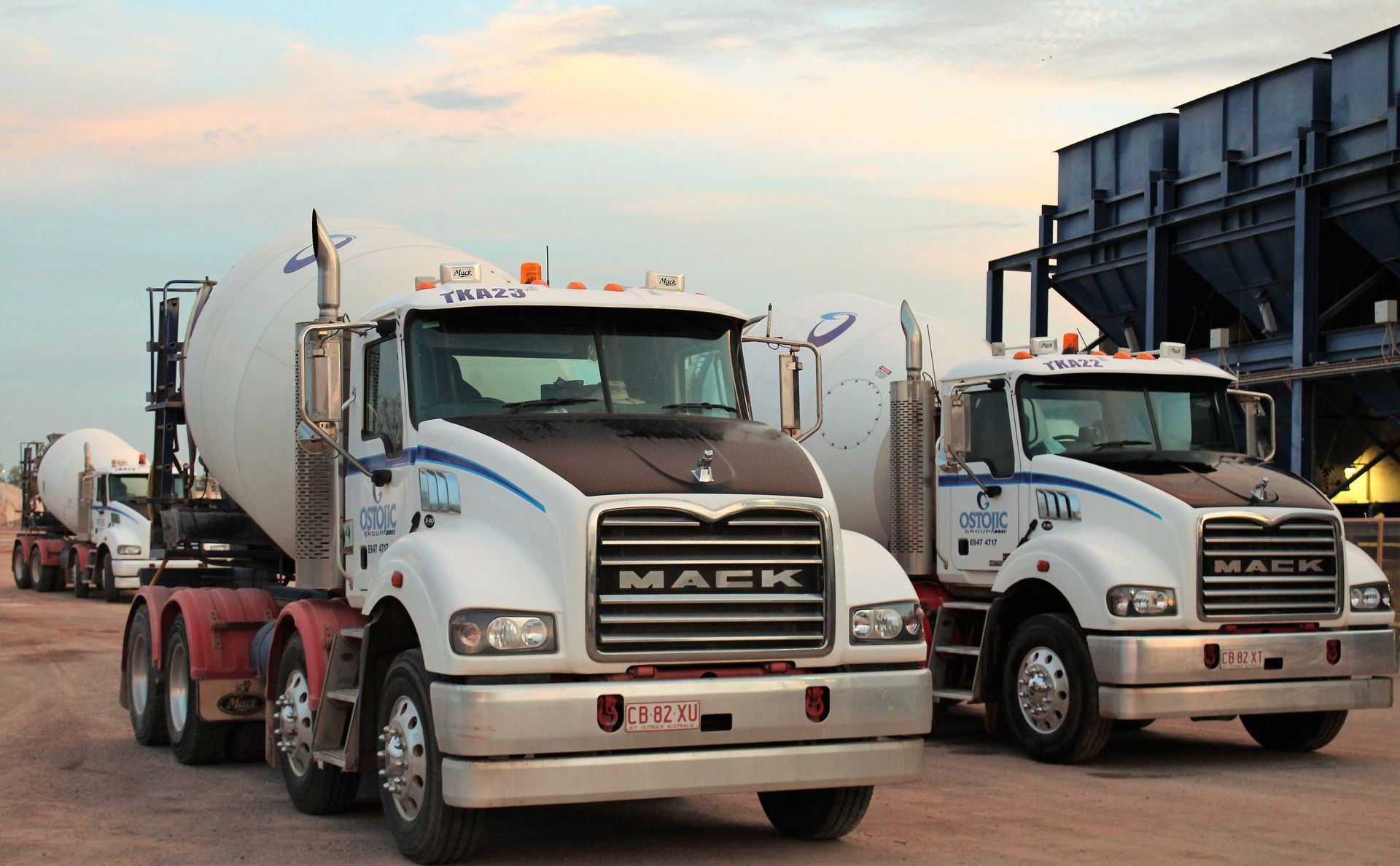
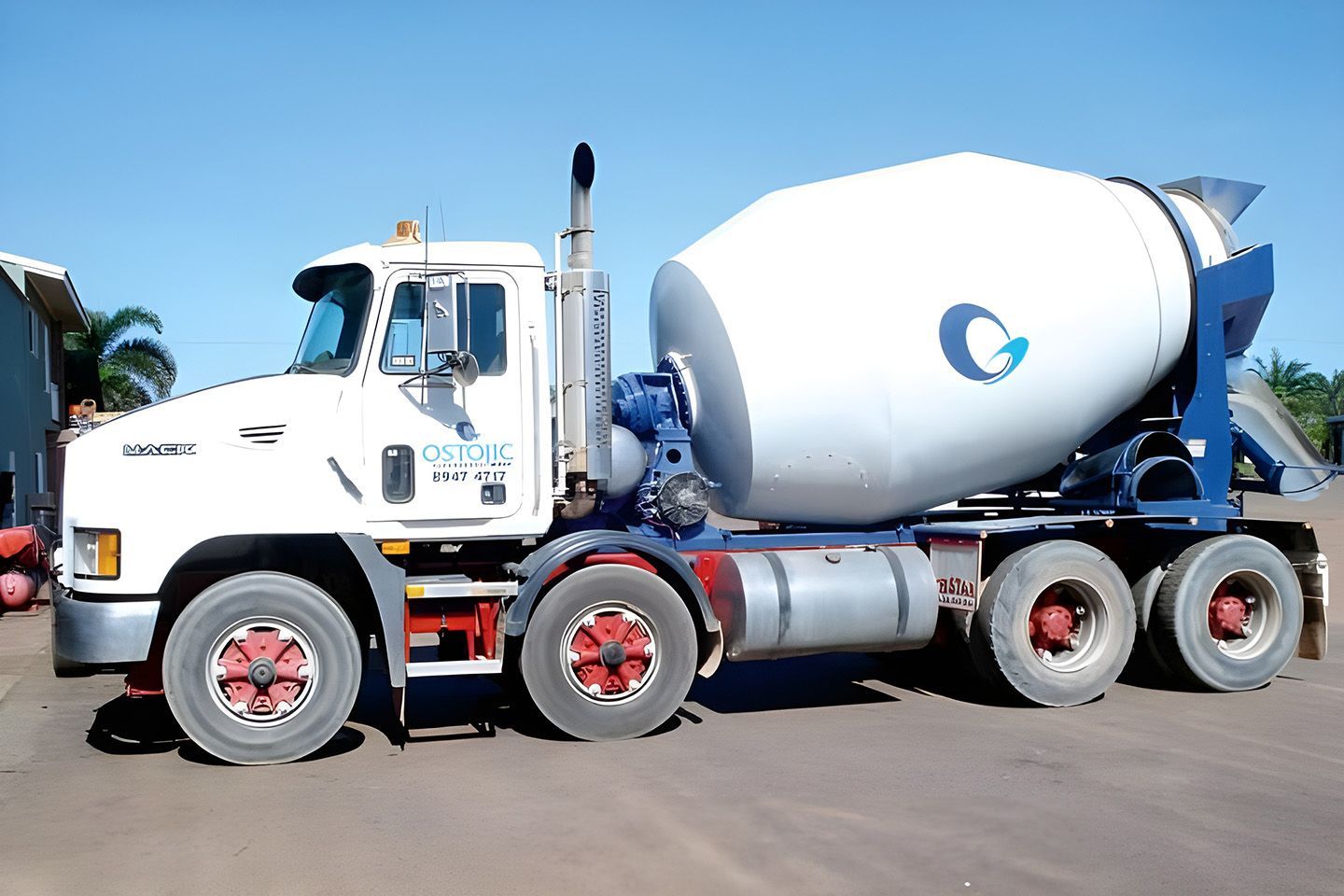
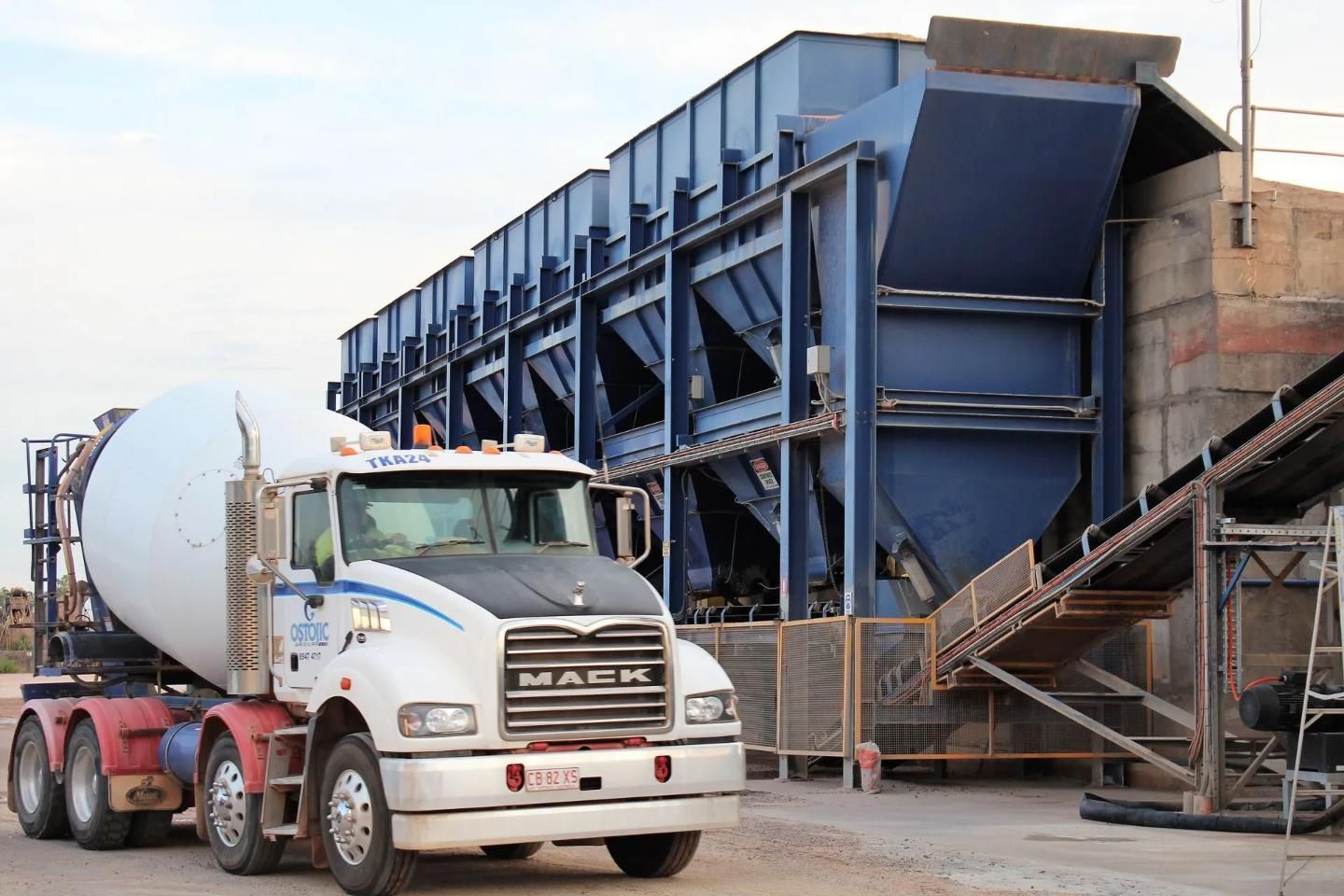
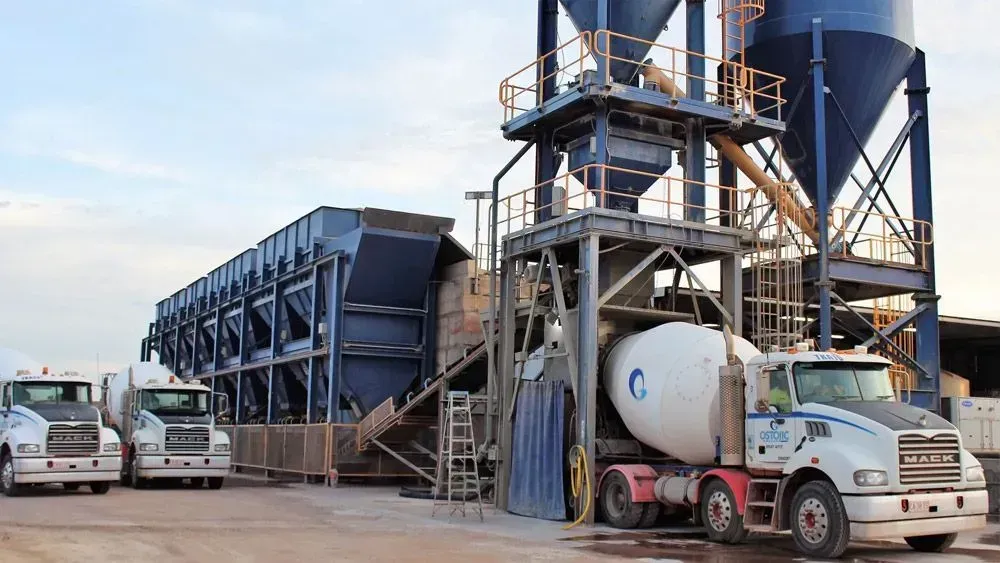
The performance of concrete in commercial construction depends not only on design but also on the quality of supply and technical support. Consistent mixes, reliable delivery and an understanding of construction sequencing all contribute to successful outcomes.
Working with experienced concrete suppliers helps ensure that materials meet project specifications and site conditions. This reduces delays, rework and structural risks across complex commercial builds.
Reliable concrete supply supports:
- Efficient project scheduling
- Compliance with engineering requirements
- Consistent quality across large pours
For builders and project managers, this reliability is essential to maintaining momentum on site.
Get in Touch
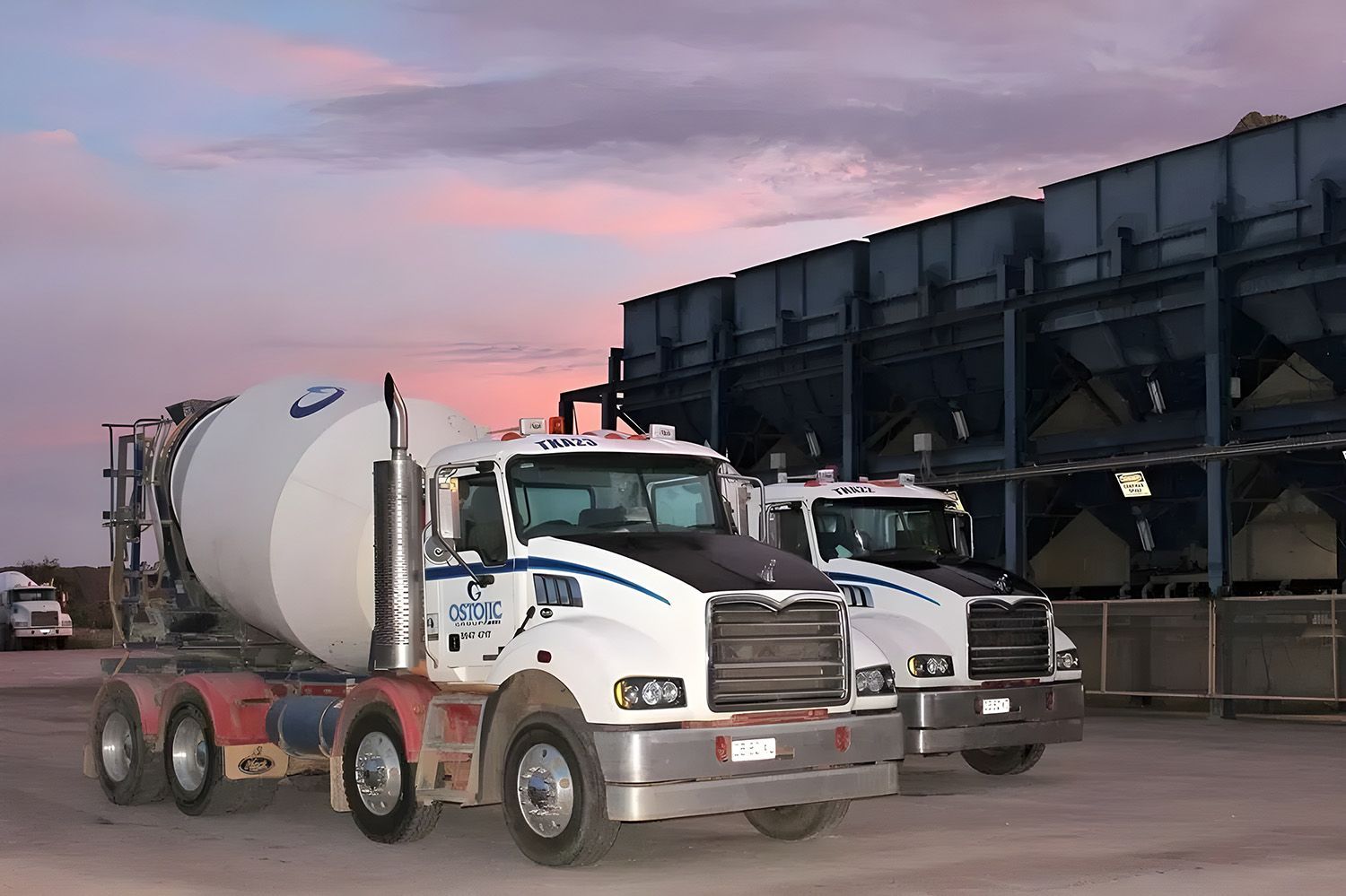
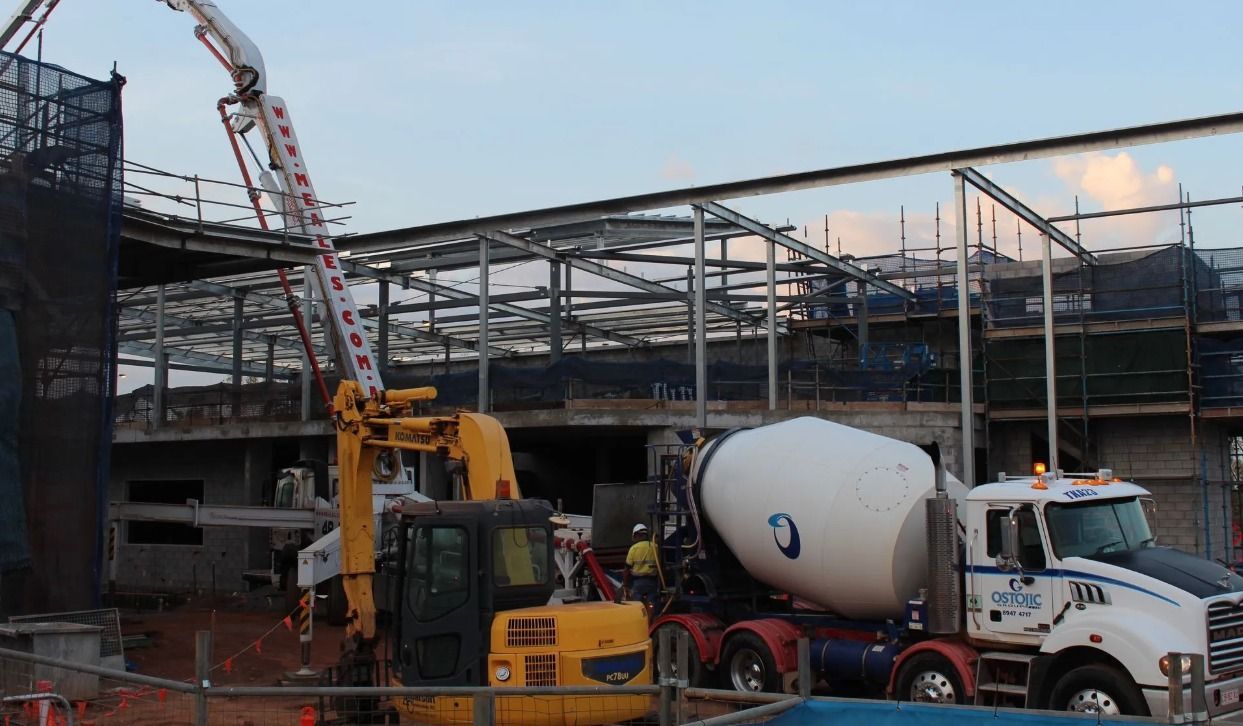
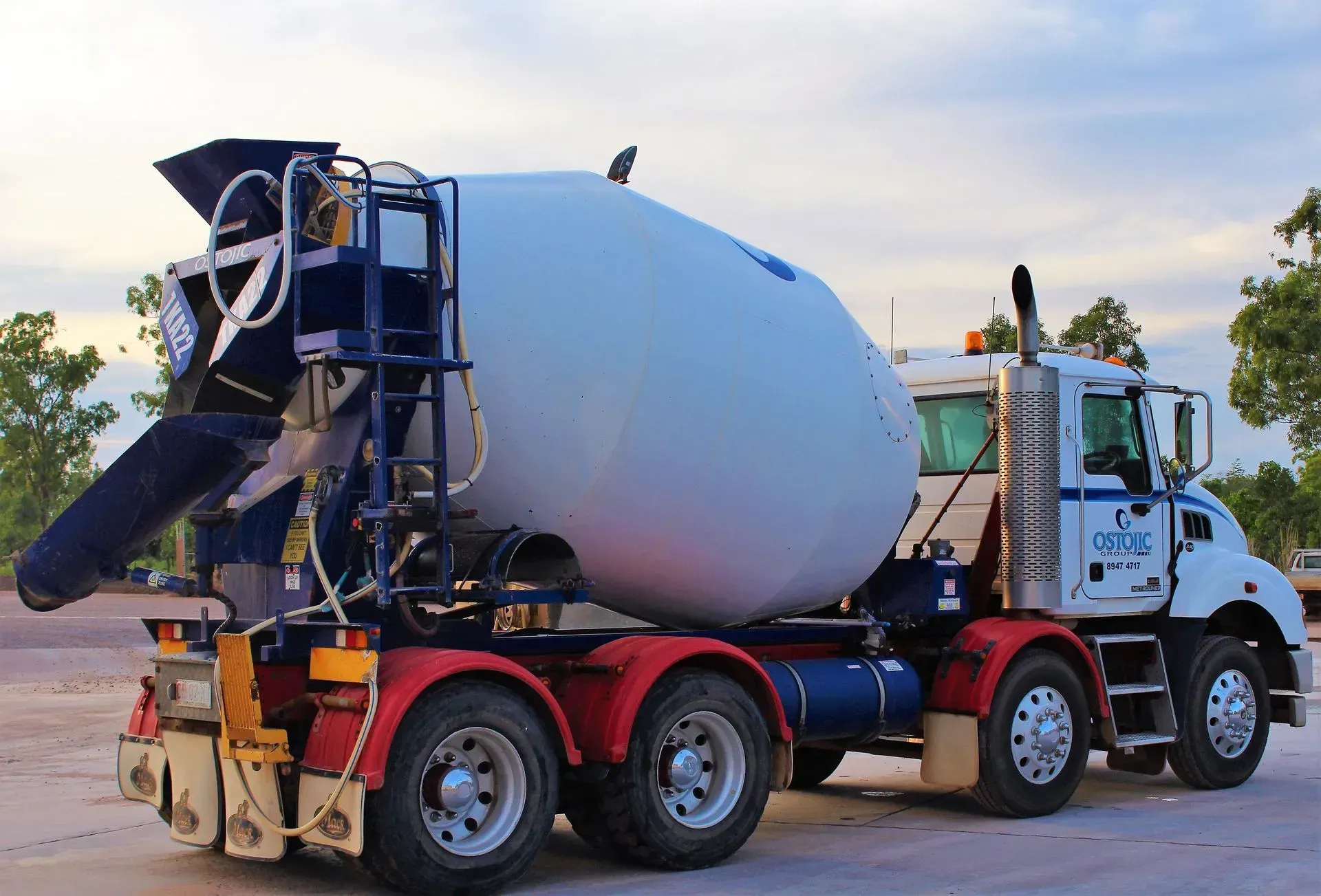
At Ostojic Group, we support commercial construction projects across Darwin and the wider Northern Territory by supplying dependable, climate-appropriate concrete solutions that perform in demanding conditions. Whether you are planning new infrastructure, upgrading an existing facility or managing a large-scale build, our team understands the challenges of local construction and the importance of reliable materials. To learn more about our concrete services or to discuss your project requirements, get in touch with our team today.