Concrete is widely used in residential and commercial construction due to its strength, durability and versatility. From driveways and footpaths to slabs and patios, properly laid
concrete can last for many years. However, achieving a long-lasting result requires careful planning, correct preparation and proper installation techniques.
When mistakes occur during installation, the result can include cracking, uneven surfaces, poor drainage or premature deterioration. Understanding these common issues can help property owners and builders avoid costly repairs.
For those planning projects involving concrete in Darwin, recognising the most frequent installation mistakes can help ensure better results and longer-lasting surfaces.
Poor Site Preparation
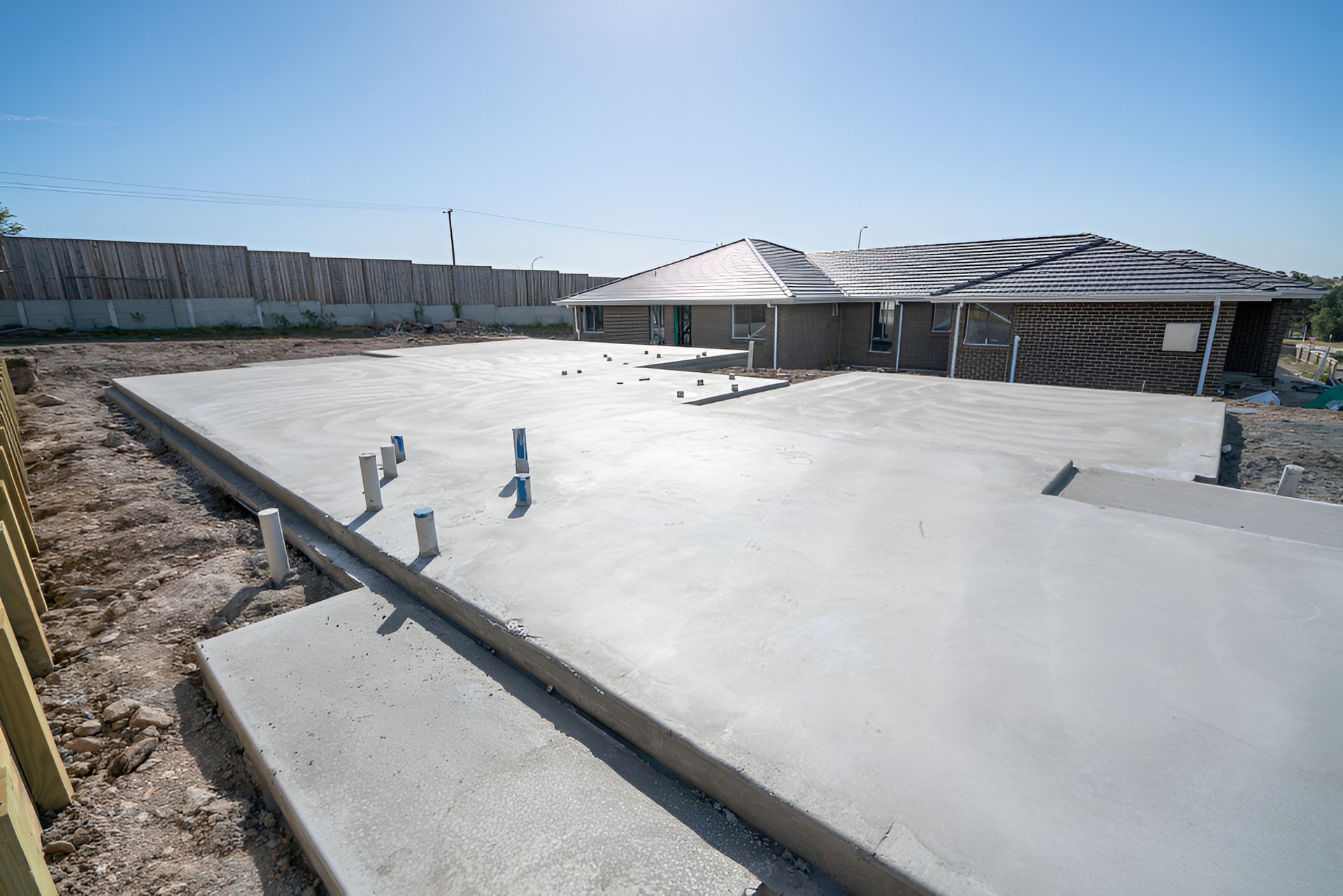
One of the most common mistakes in concrete installation is inadequate site preparation. The ground beneath the concrete plays a critical role in supporting the structure above it. If the soil is not properly prepared, the concrete surface may shift, settle or crack over time. Site preparation usually involves:
- Clearing vegetation, debris and loose material
- Levelling and compacting the soil
- Installing a suitable base layer for support
When the base is not compacted correctly, the ground may move under the weight of the concrete. This can lead to structural problems and uneven surfaces. For projects involving concrete in Darwin, proper ground preparation is particularly important because soil conditions can vary across different sites.
Incorrect Concrete Mix Ratios
The strength and durability of concrete depend heavily on the correct balance of ingredients. Concrete typically consists of cement, water, sand and aggregate. If the mix ratio is incorrect, the final product may not perform as expected. Common mixing mistakes include:
- Adding too much water to improve workability
- Using insufficient cement
- Incorrect aggregate proportions
Too much water can weaken the concrete and increase the likelihood of cracking as it dries. On the other hand, insufficient water may prevent proper curing and bonding. Professional contractors working with concrete throughout Darwin understand the importance of using appropriate mix designs suited to the specific project and environmental conditions.
Inadequate Compaction of the Base
Even when the site has been cleared, failing to properly compact the base layer can lead to problems later. A poorly compacted base may compress under the weight of the concrete and any loads placed on it. Over time, this can cause:
- Surface cracking
- Sunken sections
- Uneven concrete slabs
Proper compaction ensures the ground beneath the concrete provides stable support. Builders rely on experienced contractors who understand how to prepare and compact the base correctly.
Improper Reinforcement Placement
Concrete is strong in compression but relatively weak in tension. Reinforcement materials such as steel mesh or reinforcing bars are commonly used to improve structural strength. If reinforcement is placed incorrectly or omitted entirely, the concrete may be more vulnerable to cracking under pressure. Some common reinforcement issues include:
- Placing reinforcement too close to the bottom of the slab
- Using insufficient reinforcement
- Failing to support reinforcement during pouring
Correct placement ensures the reinforcement performs its intended role in strengthening the concrete structure. Professional teams experienced in concrete installations typically follow industry guidelines to ensure reinforcement is positioned properly.
Poor Drainage Planning
Concrete surfaces should always be designed with proper drainage in mind. Without adequate drainage, water may pool on the surface or around the structure. Over time, standing water can contribute to surface damage and erosion around the slab. Drainage issues may result in:
- Water pooling on driveways or patios
- Increased risk of surface deterioration
- Soil erosion beneath the slab
Designing the surface with the correct slope helps direct water away from structures and improves long-term performance. Contractors specialising in concrete installations typically plan drainage carefully to ensure the finished surface performs well in different weather conditions.
Inadequate Curing
Curing is a critical stage in the concrete installation process. During curing, moisture is retained within the concrete to allow the chemical reactions that strengthen the material to occur properly. If curing is rushed or neglected, the concrete may dry too quickly. This can lead to:
- Surface cracking
- Reduced strength
- Premature deterioration
Proper curing may involve covering the surface, applying curing compounds or keeping the concrete moist for a specific period. In hot climates, such as Darwin, curing conditions must be carefully managed to prevent rapid moisture loss. Professionals working on concrete projects in Darwin are familiar with curing techniques that help ensure strong and durable results.
Incorrect Finishing Techniques
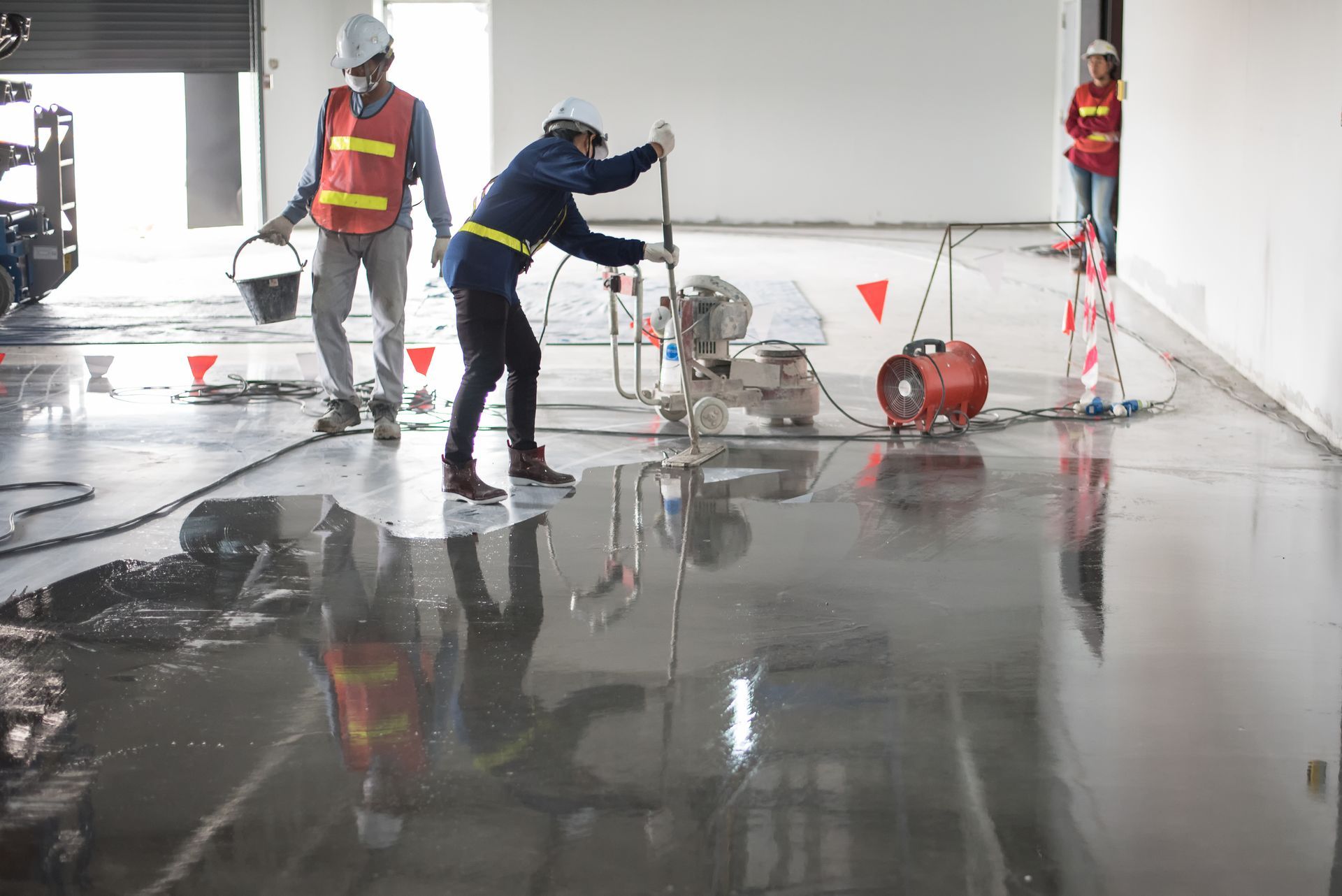
Finishing is the process of smoothing and shaping the surface after the concrete has been poured. This stage influences both the appearance and performance of the final surface. If finishing is done incorrectly, it may create issues such as:
- Uneven surfaces
- Weak surface layers
- Reduced slip resistance
Finishing should occur at the appropriate stage of the curing process. Working the surface too early or too aggressively can affect the integrity of the concrete. Experienced contractors providing concrete services understand the importance of proper finishing methods.
Skipping Expansion Joints
Concrete naturally expands and contracts with temperature changes. Expansion joints help control this movement and reduce the risk of uncontrolled cracking.
When joints are not included in the design, stress can build within the concrete slab, eventually leading to visible cracks. Expansion joints are commonly used in:
- Driveways
- Pathways
- Large concrete slabs
- Commercial flooring areas
Including properly spaced joints helps maintain the integrity of the structure over time. Projects involving concrete installations in Darwin often include expansion joints to accommodate environmental conditions and temperature variations.
Rushing the Installation Process
Concrete installation requires patience and careful attention at each stage. Rushing the process can increase the likelihood of mistakes. Common issues caused by rushing include:
- Incomplete base preparation
- Incorrect finishing timing
- Poor curing practices
- Structural weaknesses
Allowing sufficient time for preparation, pouring, finishing and curing helps ensure the final structure meets durability expectations. Builders and homeowners searching for concrete solutions often benefit from working with experienced professionals who prioritise proper installation practices.
Achieving Long-Lasting Concrete Results
Concrete installations can provide durable and reliable surfaces when completed correctly. Avoiding common mistakes — such as poor site preparation, incorrect mixing, inadequate curing and rushed finishing — can significantly improve the lifespan of the finished structure.
Whether you are installing a driveway, patio, slab or footpath, careful planning and professional expertise can help ensure the project is completed successfully.
If you are planning a project involving concrete in Darwin, working with experienced contractors can help ensure proper preparation, installation and finishing for durable, high-quality results that stand the test of time.
Contact Ostojić Group to get started.