
Concrete Strength Grades Explained: Which MPA Mix Does Your Darwin Project Need?

Ostojic Group • September 25, 2026
Divider Icon

If there's an MPa number on your Darwin project plans, it's telling you exactly how much load that concrete needs to carry once it's cured, and getting your concrete strength grades right is what stands between a slab that performs and one that doesn't. Order too low and you risk a slab that can't do its job. Order too high and you're paying for performance you didn't need. Either way, the number on your plans isn't a suggestion.

What Does the MPa Rating on Concrete Mean?

MPa stands for megapascals, and it's the unit used to measure a concrete mix's compressive strength once it reaches full cure. In plain terms: the higher the MPa number, the more load-bearing capacity that concrete has designed into it.


That number isn't decorative. It's the figure an engineer has calculated against the loads a slab, footing or structural element will actually carry over its working life. When Ostojic Group batches to a specified grade, we're not guessing at what a job needs. We're matching a mix design to a number that's already been worked out by someone qualified to work it out.

Why Does Strength Grade Matter More Than People Expect?

Under-specifying is the mistake that costs the most, because it's often invisible until it isn't. A slab poured to a lower grade than the loads demand can crack prematurely, deflect under weight it should easily handle, or fail an engineer's inspection down the track. By then, the concrete is already in the ground. There's no retrofitting your way out of a strength shortfall.


Over-specifying isn't free either, even setting dollars aside. Higher-grade mixes behave differently in the truck and on the ground. They can set faster, finish differently under trowel and shrink at a different rate as they cure. Ordering "the strongest one, just to be safe" isn't the safety margin it sounds like; it can create finishing and curing headaches you didn't have with the right-sized mix.


The honest answer is that the correct grade is always a specific one, not a generous one. That's the whole point of having it calculated rather than guessed.

Which Grade Suits Which Type of Project?

Concrete grades run across a range, and different applications sit in genuinely different bands, but the actual figure for your job always comes from your engineer or building plans, not from a general guide like this one.


Paths, edging and non-structural fill typically sit at the lower end of the range, where the concrete's job is to hold its shape rather than carry significant load. Even here, the plans set the actual figure rather than a rule of thumb, so if the path ties into a structural element or a driveway a vehicle will cross, check before you order.


Domestic slabs and driveways generally call for a mid-range grade, reflecting normal vehicle and foot traffic loads, though the specific figure is always the engineer's call, based on soil conditions, slab thickness and reinforcement for that site. Our guide to concrete thickness and load capacity covers that side of the equation if you're weighing up slab depth as well as strength.


Structural and commercial applications, including suspended slabs, structural footings and load-bearing elements, sit higher again, and here the specified grade is non-negotiable and always engineer-determined. This is engineering territory, not a judgement call for anyone on site.


Industrial and heavy-duty applications, including large commercial floors and infrastructure works, sit at the top of the range and often come with additional performance requirements beyond strength alone. Again, the plans set the number.


Footings are worth a specific mention, given how often they come up in these conversations. Reactive soils around Darwin add another layer to footing design that a strength grade alone doesn't solve. If that's your situation, our dedicated guide to footings and foundations on reactive soils goes into the detail this post doesn't.

What Is High-Strength Concrete and When Is It Used?

High-strength mixes come into play on large infrastructure and commercial projects where the loads, the program or both demand more than a standard mix can deliver. Ostojic Group supplies standard ready-mix for general applications, specialised blends made to order and high-strength and accelerated-curing mixes purpose-built for large infrastructure jobs running on tight deadlines. Higher grades come into their own on larger builds, as our guide to how concrete is used in Darwin commercial construction projects shows.


Accelerated-curing mixes matter more in Darwin than in most parts of the country. NT heat shortens working and setting times compared to temperate climates. That changes how a pour behaves on site, particularly on large-format or out-of-hours pours where crews need predictable handling time. Being able to batch and deliver 24/7 gives builders room to schedule around the heat rather than fight it.

Can You Order a Higher Grade Than You Need?

You can, but it's worth understanding what you're actually trading. A higher grade isn't a straightforward upgrade. It changes shrinkage behaviour and finishing characteristics, and it can affect how the pour needs to be managed on the day. It's also not a strength "buffer" in the way people sometimes assume; if the engineer specified a grade, that figure already accounts for the load the concrete needs to carry.


Specification also affects price, though that's a separate conversation with its own set of factors. Our guide on what affects the cost of ready-mix concrete in Darwin covers that ground properly. The short version here: match the grade to the plans, not to a hunch about what "extra safe" looks like.

How Do You Make Sure You Get the Grade You Ordered?

This is where batching consistency actually matters, and it's not something every supplier can guarantee across a large pour. Ostojic Group's fully automated batching plant on Tivendale Rd has been running since 2013, adjusting mix composition in real time as it batches. That real-time adjustment is the practical reason a specified grade stays consistent load to load, rather than drifting as a large pour runs on. At 105m³ an hour, that consistency isn't optional on a big job; it's the difference between a slab that cures uniformly and one with weak spots buried in it.


Every batch is produced to meet AS 1379, and the delivery docket that comes with your load is your record of what was actually supplied: grade, batch details, timing. Keep it. If a grade is ever queried on-site or at handover, that docket is the paper trail that confirms what was ordered was what arrived.


To be clear about where the line sits: your engineer or plans determine the grade you need. Ostojic Group's job is to batch precisely and consistently to that grade every time, not to design the mix for structural compliance. Get that grade confirmed before you book, and the rest is on us.


Once the grade is set, Ostojic Group batches the concrete Darwin builders and civil contractors order, from standard mixes through to high-strength blends.

FAQs

What does the MPa number on my plans actually mean?

Can I choose my own concrete grade for a shed slab or path?

Is a higher MPa grade always safer to order?

Who actually decides the concrete grade, me, my builder or an engineer?

Why does Darwin's climate affect concrete curing?

How do I know I received the grade I actually ordered?

If your plans specify a grade you haven't ordered before, talk to our team before you book the pour. Confirm the figure with your project engineer first, then call Ostojic Group on (08) 8999 9999 to get it batched.


Getting concrete strength grades right starts with the number on your plans. Everything else is Ostojic Group holding that number consistently, load after load.

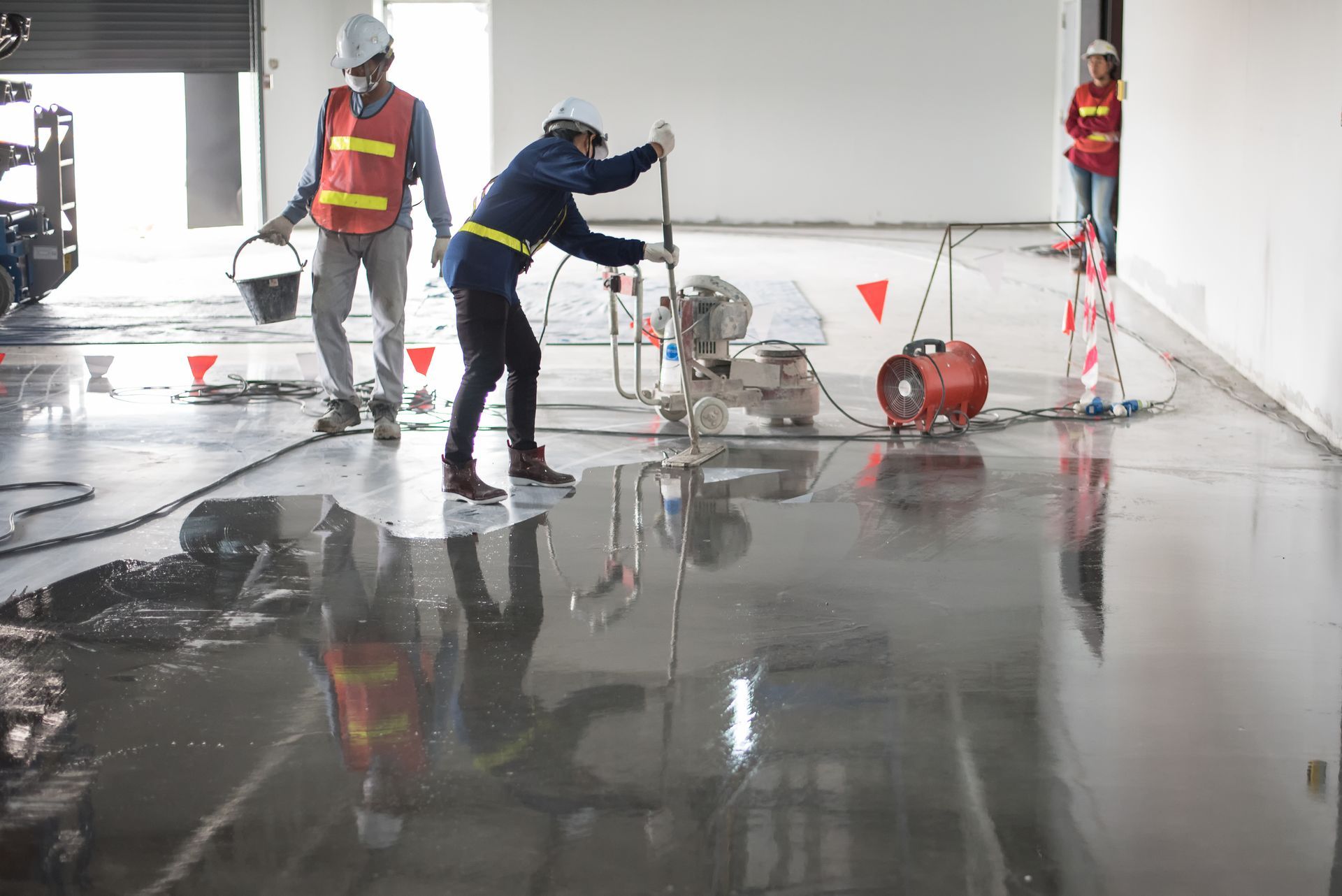
Workers using a floor grinder and squeegee to install industrial flooring.
By Ostojic Group • July 21, 2026
Compare Industrial flooring options for strength, safety and durability, then choose the right fit for your facility. Learn more today.
Concrete In Darwin
By Ostojic Group Pty Ltd • June 24, 2026
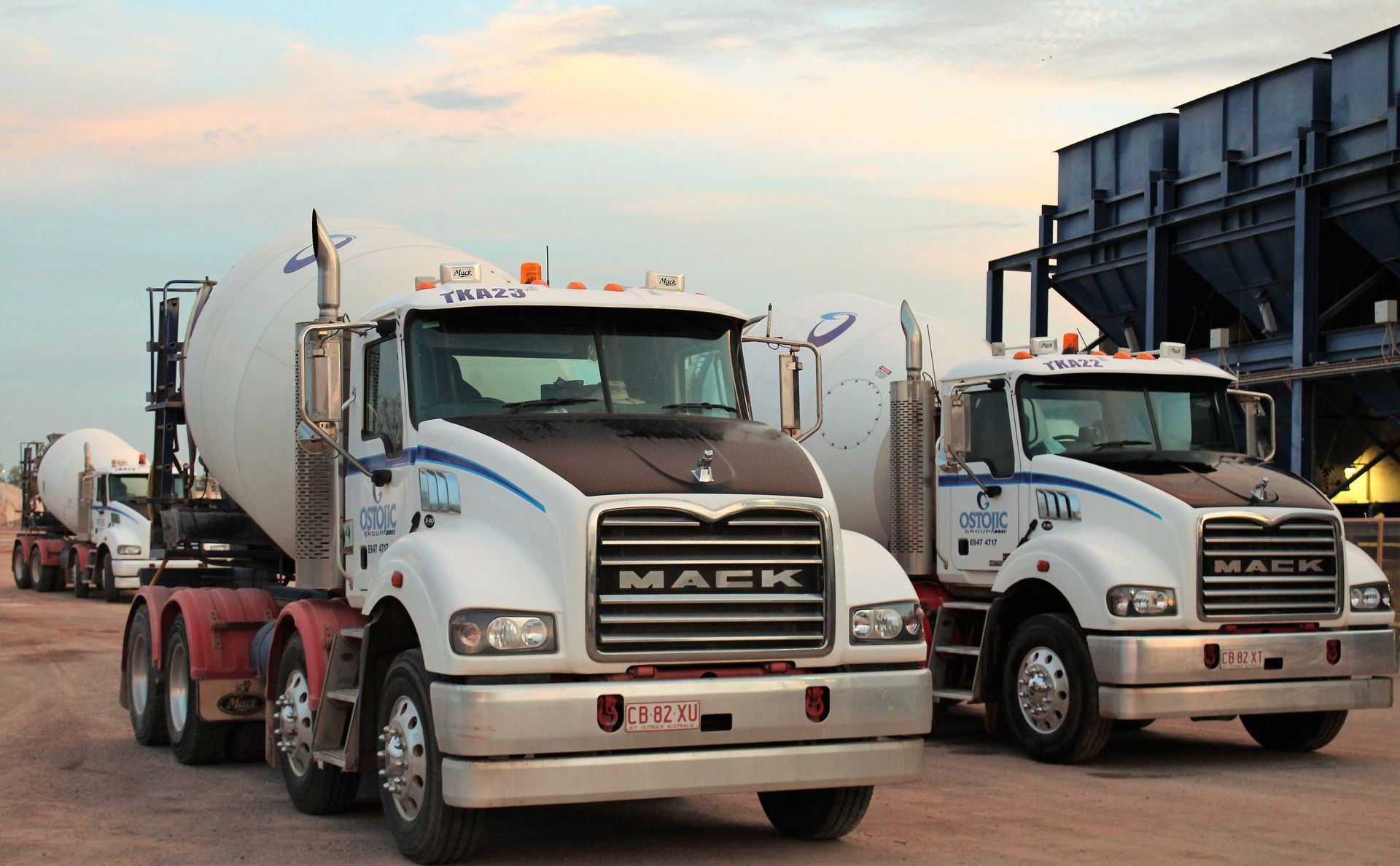
Learn how slab thickness affects strength and load capacity. Get practical insights on Concrete near me. Read more today.
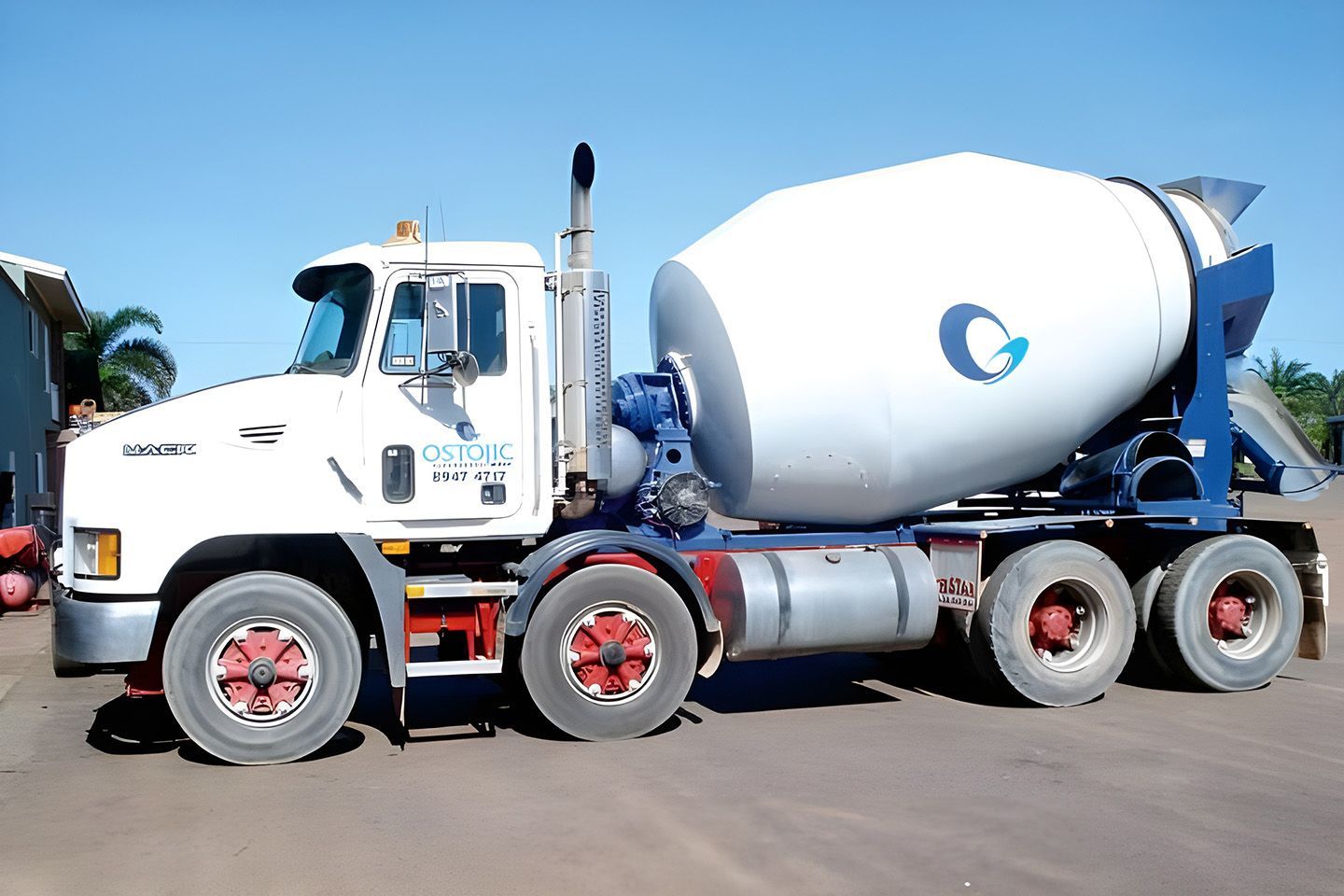
White Cement Mixer Truck Parked On A Lot
By Ostojic Group • May 18, 2026
Discover how quality residential concrete can improve durability, street appeal, and property value with expert concrete services in Darwin.
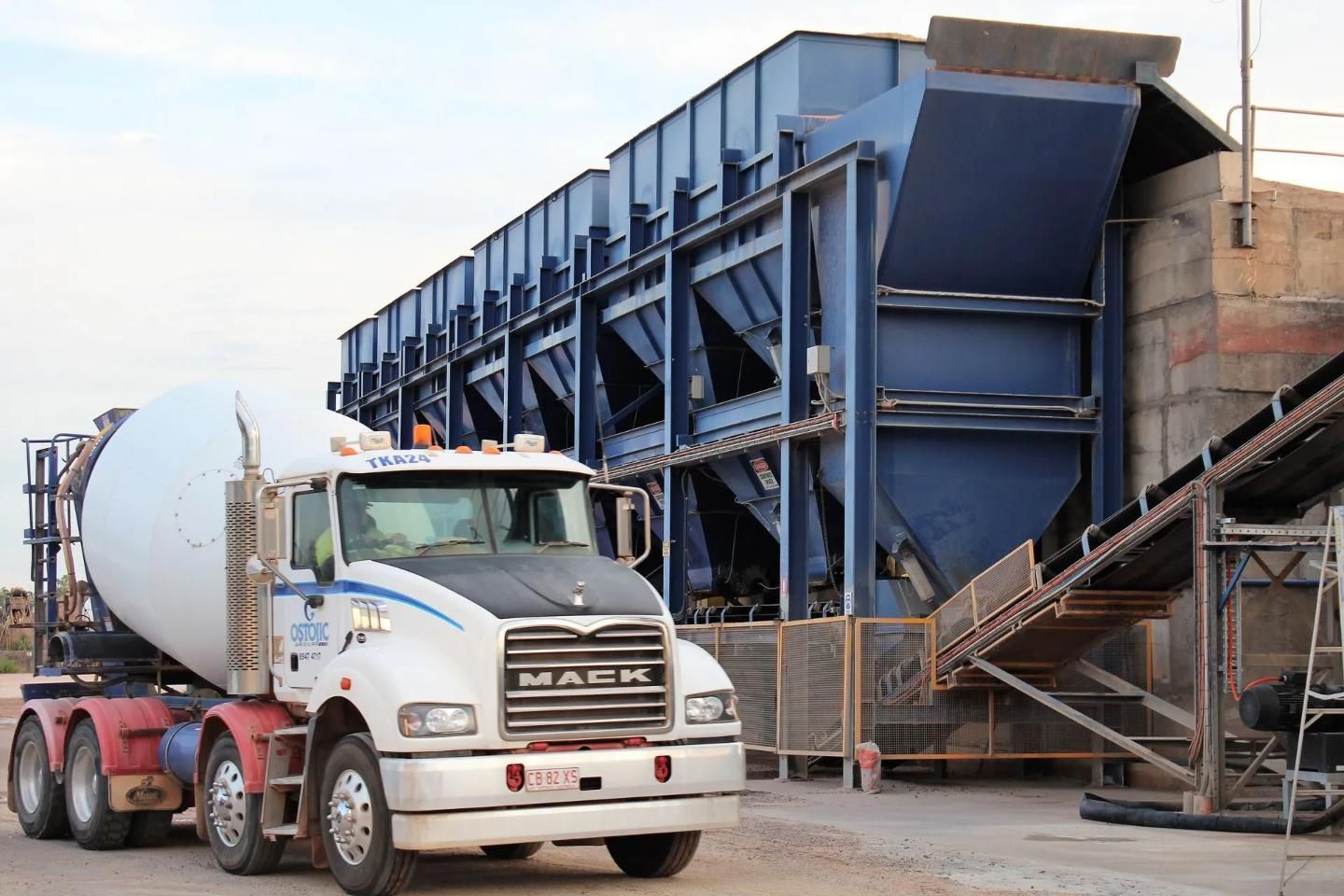
A Concrete Mixer Truck Parked Next to a Blue Concrete Batch Plant
By Ostojic Group • April 16, 2026
Learn how to prevent concrete cracks with proper preparation, curing and ongoing care. Get expert advice on durable concrete in Darwin.
Concrete batching plant with large industrial silos and mixer trucks parked on-site
By Ostojic Group • March 23, 2026
Concrete is widely used in residential and commercial construction due to its strength, durability and versatility, from driveways and footpaths to slabs.
Two White Cement Mixer Trucks Parked In Front Of Industrial Storage Silos
By Ostojic Group • March 13, 2026
Proper site preparation is key for durable concrete in Darwin. Learn about soil compaction, levelling & drainage for a quality finish on your project.
White Concrete Truck Parked
By Ostojic Group • January 13, 2026
Learn how concrete in Darwin strengthens commercial builds with durable foundations floors and infrastructure. Read now to plan your project.
Cement Truck Positioned To Concrete
By Ostojic Group • November 19, 2025
Best times to pour concrete in Darwin: early mornings or nights avoid heat and humidity, plus smart scheduling boosts strength. Contact us now!
Cement Mixer Truck With White Drum, Parked Outside, Blue And Red Accents
By Ostojic Group • October 2, 2025
Discover why concrete is ideal for tropical conditions. Learn the benefits of durable, weather-resistant Concrete Darwin and start your project today.