Industrial Flooring Options Strength, Safety and Durability
Choosing the right industrial flooring comes down to three things: how much load it needs to carry, how safe it keeps your team and how long it lasts before you're paying for repairs again. Epoxy, polished concrete, vinyl and rubber each solve these problems differently, and picking the wrong one for your environment is an expensive mistake to fix later.
For Australian warehouses, factories, commercial kitchens and workshops, flooring isn't a cosmetic decision. Durable flooring solutions double as workplace safety flooring, protecting your team while meeting compliance requirements under workplace health and safety law.
What Makes Industrial Flooring Different From Standard Commercial Flooring
Industrial flooring has to handle conditions that would destroy a typical office or retail surface. Forklifts, pallet jacks and heavy machinery put constant point-load pressure on the floor. Chemical spills, oils and cleaning agents attack surface coatings. Constant foot traffic in wet or greasy areas creates slip risk that standard tiles or sealed concrete simply aren't built to manage.
This is why generic flooring advice rarely applies in an industrial setting. The right choice depends on what's actually happening on that floor every day, not just what looks good or costs least upfront.
Epoxy Flooring: Built for Chemical and Impact Resistance
Epoxy flooring is a resin-based coating applied over a prepared concrete substrate, and it's one of the most common choices for factories, workshops and processing facilities. Once cured, it forms a seamless, non-porous surface that resists oil, chemicals and heavy abrasion far better than bare concrete.
Facility managers tend to choose epoxy for areas with frequent chemical exposure, think automotive workshops, food processing lines or manufacturing floors where spills are routine. It can also be formulated with anti-slip additives, which matters in any area where liquids are likely to end up underfoot.
The trade-off is installation time and cost. Epoxy needs proper substrate preparation and cure time, and it can be more expensive upfront than a simple concrete seal. But for high-exposure environments, the reduced downtime from chemical damage and re-coating usually justifies the investment.
Example: A commercial kitchen operator dealing with recurring grease staining and slip incidents on old vinyl tiles might switch to a slip-rated epoxy system specifically because it handles both the chemical exposure from cooking oils and the slip risk from wet floors in one surface.
Polished Concrete: Durability Without the Coating
Polished concrete takes an existing concrete slab and mechanically grinds and polishes it to a hard, dense finish with no separate coating layer required. It's one of the more durable flooring solutions available for warehouses and distribution centres because it's extremely durable under heavy loads and doesn't wear the way a coated surface can.
Because there's no applied layer to chip, peel or delaminate, polished concrete tends to have lower long-term maintenance costs than coated systems. It also handles forklift traffic and heavy racking loads well, which is exactly why it's such a common floor for large-scale storage and logistics operations.
Where polished concrete falls short is chemical and slip resistance. It doesn't offer the same protection against oil and chemical staining as epoxy, and without additional treatment, a polished surface can become slippery when wet, something to weigh carefully in any area with liquid exposure.
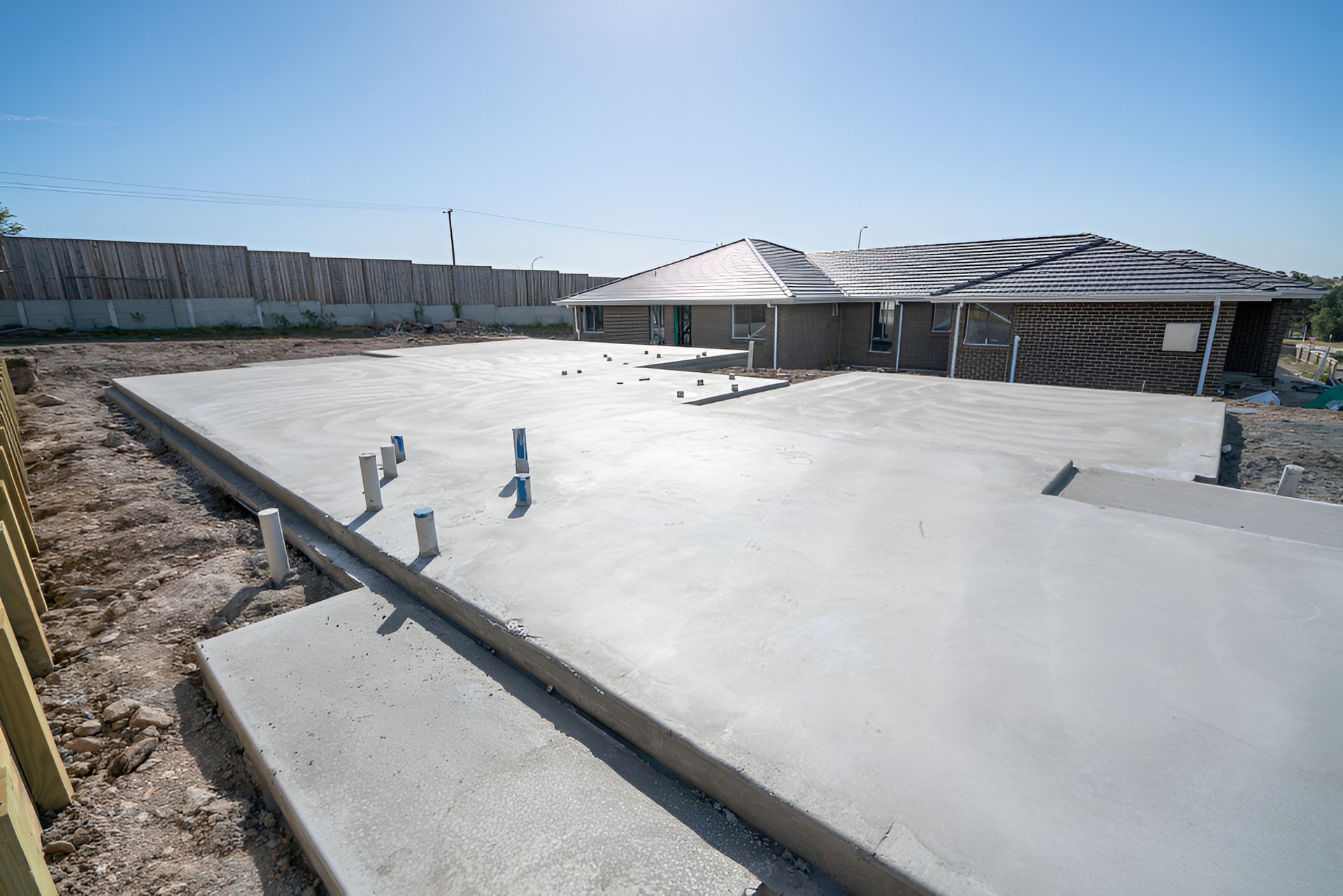
This is also where getting the base slab right matters most. A properly laid and finished concrete base, the kind of work done through services like Concrete Darwin, sets the foundation for how well a polished floor performs over time. Poor slab preparation shows up later as cracking, uneven wear or dusting, regardless of how good the polishing job is.
Vinyl and Rubber Flooring: Where Slip Resistance and Comfort Matter Most
Vinyl and rubber flooring solutions are generally chosen for different reasons than epoxy or polished concrete. Comfort underfoot, noise reduction and slip resistance tend to be the priority over raw load capacity.
Rubber flooring is common in workshops and areas with standing workstations, since it reduces fatigue for staff on their feet all day and provides good grip even when surfaces get wet or oily. Vinyl, particularly safety vinyl with textured surfaces, is often used in commercial kitchens and light industrial spaces where slip resistance and easy cleaning are the main concerns.
Neither vinyl nor rubber matches epoxy or polished concrete for heavy load-bearing capacity, so they're rarely the right choice for areas with forklift traffic or heavy machinery. But in the right application, a workshop bench area or a kitchen prep zone, they offer a safety and comfort benefit the harder surfaces don't.
How to Choose the Right Industrial Flooring for Your Facility
Working out the right flooring solution comes down to matching the material to the specific risks in each area of your facility, rather than applying one flooring type across the whole site.
- Identify the load. Heavy machinery and forklift traffic need polished concrete or a high-build epoxy system rated for point loads.
- Map the chemical exposure. Any area with regular oil, chemical or grease contact should lean towards epoxy with the appropriate chemical-resistant formulation.
- Assess slip risk. Wet or greasy zones need slip-rated surfaces, textured epoxy, safety vinyl or rubber, depending on the rest of the area's requirements.
- Factor in maintenance capacity. Polished concrete generally needs less ongoing maintenance than coated systems, which matters if your facility doesn't have dedicated maintenance staff.
- Confirm the base is sound. Whatever finish you choose, it's only as durable as the concrete slab underneath it. Cracked, uneven or poorly cured concrete undermines any flooring system applied over the top.
Why Workplace Safety Flooring Is a Compliance Issue, Not Just a Design Choice
Workplace safety flooring exists specifically to reduce slip, trip and fall risk before it becomes an incident. Under Australian WHS regulations, employers have a duty to manage these hazards in the workplace. Flooring plays a direct role in that obligation. A floor that looks fine but doesn't meet appropriate slip-resistance ratings for its use, particularly in wet areas or high-traffic zones, can become a liability well beyond the cost of the floor itself.
This is where informed flooring decisions pay for themselves. Choosing the right slip-resistant flooring for high-risk zones, and maintaining it properly, reduces incident risk and supports compliance documentation if it's ever needed.
Industrial Floor Maintenance: Protecting Your Investment
Even the most durable flooring degrades faster without the right maintenance routine. Epoxy floors benefit from regular cleaning with pH-neutral products, since harsh chemicals can break down the coating over time. Polished concrete needs periodic re-polishing or burnishing to maintain its density and shine, particularly in high-traffic zones. Rubber and vinyl surfaces should be checked regularly for lifting edges or seam damage, which can quickly become trip hazards.
According to industry best practice, scheduling proactive inspections, rather than waiting for visible damage, is one of the most effective ways to extend the life of any industrial floor and avoid unplanned downtime for repairs.
Getting Your Flooring Choice Right From the Start
The best industrial flooring solution isn't the most expensive one or the most popular one. It's the one matched to what's actually happening on that floor. A facility with heavy forklift traffic and minimal chemical exposure has very different needs to a commercial kitchen dealing with grease and moisture daily.
Start by auditing each zone in your facility against load, chemical exposure and slip risk before choosing a flooring system. Investing in durable flooring solutions now saves you from costly replacements and downtime later, and treating workplace safety flooring as a non-negotiable part of that decision protects both your team and your compliance position. Whatever finish you land on, make sure the concrete base underneath it is properly prepared. It's the part of the job that determines how long everything else lasts.
Frequently Asked Questions
What is the most durable industrial flooring option?
Polished concrete and high-build epoxy systems are generally the most durable options for heavy industrial use, particularly in areas with forklift or machinery traffic. The right choice depends on whether chemical resistance or raw load capacity is the bigger priority for that specific area.
Is epoxy flooring slip-resistant?
Standard epoxy can be slippery when wet, but slip-resistant additives can be mixed into the coating during application. Facilities with wet or oily conditions should specify a slip-rated epoxy system rather than a standard smooth finish.
How long does industrial flooring typically last?
With proper installation and regular maintenance, epoxy and polished concrete floors can last well over a decade in industrial settings. Lifespan depends heavily on load conditions, chemical exposure and how consistently maintenance is carried out.
Can polished concrete handle heavy machinery?
Yes, polished concrete is one of the more common choices for warehouses and distribution centres specifically because it handles heavy loads and forklift traffic well. It performs best when the underlying concrete slab has been properly laid and cured.
What flooring is best for a commercial kitchen?
Safety vinyl or slip-rated epoxy are typically the best fit for commercial kitchens, since both offer strong slip resistance and are easy to clean around grease and moisture. The choice often comes down to budget and how much chemical exposure the kitchen experiences.
Do I need different flooring for different areas of the same facility?
In most cases, yes. A warehouse floor and an attached kitchen or workshop area usually face different load, chemical and slip risks, so a single flooring type rarely suits the whole site equally well.
Ready to Get Your Flooring Right the First Time?
Whether you're weighing up epoxy, polished concrete, vinyl or rubber, the result only ever performs as well as the base it's laid on. If you need reliable concrete in Darwin to get that foundation right before choosing your finish, our team can help you assess load, chemical exposure and slip risk for your specific facility. Contact us today to talk through your flooring project and get a plan that suits how your site actually operates.