Understanding Concrete Thickness and Load Capacity

Ostojic Group Pty Ltd • June 24, 2026
Divider Icon

Pour a concrete slab too thin and it cracks under load. Pour it without proper reinforcement and it fails before its time. For anyone planning a concrete project, whether it's a residential driveway, a commercial slab, or a hardstand for heavy equipment, understanding the relationship between thickness and load capacity is the difference between a surface that performs for decades and one that needs replacing far too soon.


Concrete in Darwin comes with its own set of variables. The wet season, reactive soils, and the heat that accelerates curing all influence how a slab is designed and poured. In this concrete slab thickness guide, we'll walk through the key concrete slab design considerations that every property owner, builder, and developer should understand before the first truck arrives.

Why Thickness Matters

contentConcrete thickness is one of the primary factors that determines how much a load bearing concrete slab can carry and how well it distributes that load across the subbase beneath it. A thicker slab spreads weight over a greater area, reducing the stress at any single point. A thin slab concentrates load, which is where cracking and failure begin.


Thickness alone doesn't tell the whole story, the strength of the concrete mix, the quality of the subbase preparation, and whether the slab is reinforced all work together to determine real-world load capacity. But thickness is the starting point, getting it right for the intended application is non-negotiable.

Recommended Slab Thicknesses by Application

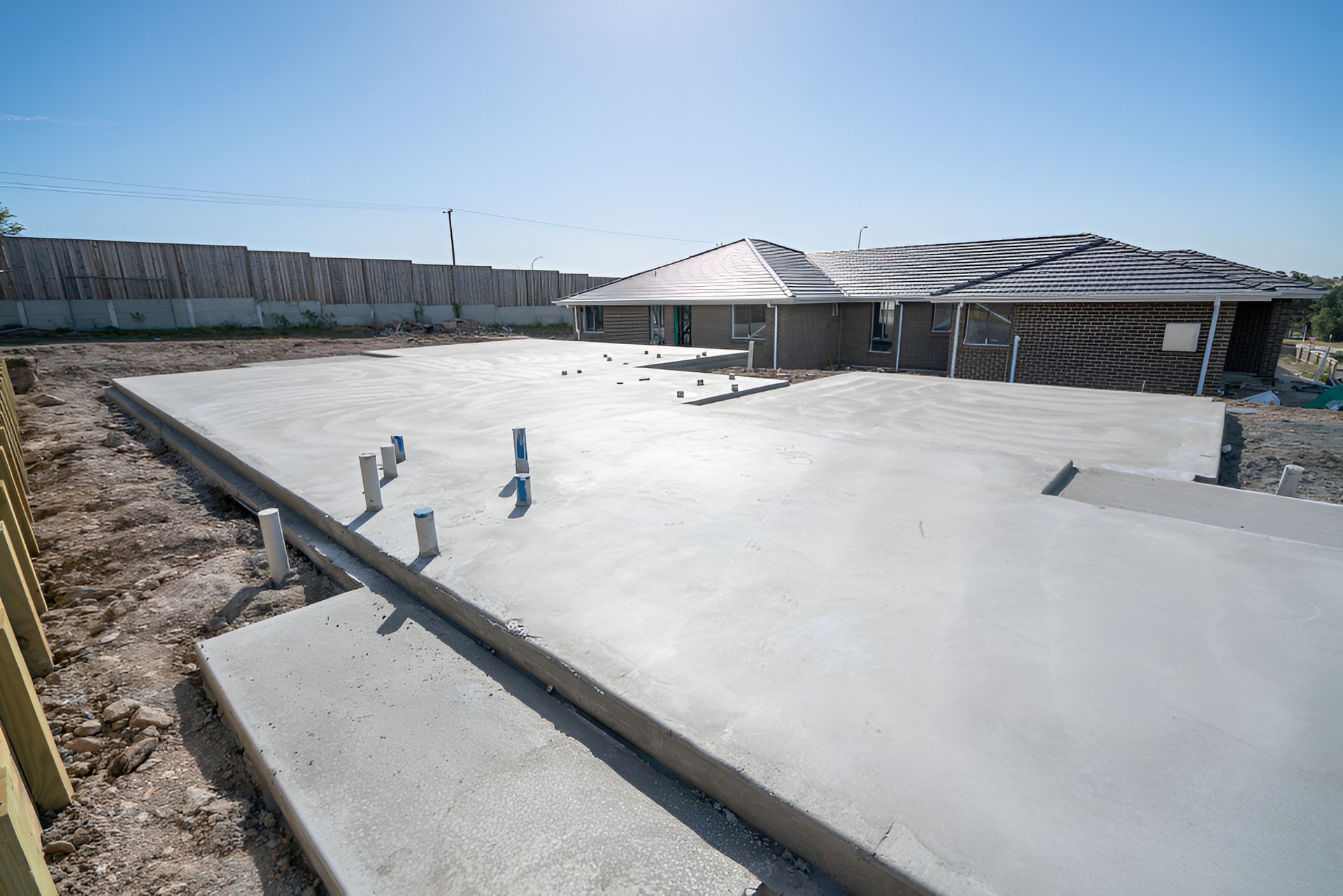
contentAustralian Standards and industry practice have established minimum thickness guidelines for common concrete applications. These are starting points, not maximums, and site-specific conditions may require more:


  • Pathways and footpaths: 75–100mm is standard for pedestrian-only traffic with good subbase support
  • Residential patios and alfresco areas: 100mm is typical, assuming light foot traffic and no vehicle access
  • Domestic driveways: 100–125mm driveway concrete thickness for standard passenger vehicles, with 125mm preferred where heavier vehicles such as vans or utes regularly use the driveway
  • Garage floors: 100–125mm, increasing to 150mm where the garage is also used as a workshop with heavy equipment
  • Shed slabs and workshop floors: 100–150mm depending on what's being stored or operated on the surface
  • Commercial and industrial hardstands: 150–200mm or greater, depending on vehicle type, axle loads, and frequency of use


In Darwin's climate, where thermal expansion and the wet season put additional stress on slabs, erring toward the upper end of these ranges is generally sound practice.

The Role of Reinforcement

content.Thickness determines the structural capacity of a slab, but reinforcement, typically steel mesh or rebar, controls how a slab behaves when stress is applied. Unreinforced concrete can carry compressive loads reasonably well, but it is brittle under tension. When the ground beneath a slab shifts, or when a load is applied unevenly, an unreinforced slab cracks and the crack propagates quickly.


Steel reinforcement holds the slab together when cracking occurs and distributes tensile stress across a wider area. For most residential driveways and slabs, SL72 or SL82 steel mesh laid at mid-depth is standard practice. For load-bearing concrete slabs subject to heavier traffic or structural loads, engineered reinforcement design from a structural engineer is required rather than a standard mesh specification.


Control joints, deliberate weak points cut or formed into the slab, are also part of a well-designed reinforced concrete slab. They direct cracking to predictable, manageable locations rather than allowing random cracking to develop across the surface.

Soil Preparation and Subbase: The Foundation Under the Foundation

content.A correctly specified concrete slab placed on poorly prepared ground will fail regardless of its thickness. The subbase carries the load transferred through the slab, and if it's soft, uneven, or poorly compacted, the slab above it has no reliable support.


In Darwin, reactive soils are a real consideration. The region's black soil and clay-heavy profiles expand significantly when wet and shrink when dry, creating ground movement that directly affects slab performance. Wet season rainfall can saturate subbase material, and a slab that was perfectly stable in the dry season can develop movement cracks once the wet arrives.


Proper subbase preparation includes:


  • Removal of any organic material, topsoil, or unstable fill
  • Compaction of the natural subgrade to appropriate density
  • A compacted granular subbase layer, typically 100mm or more of crushed rock or road base
  • Moisture management where reactive soils are present, including appropriate drainage


Cutting corners on subbase preparation is one of the most common reasons concrete slabs fail prematurely in residential and commercial settings alike.

Load Types and How They Affect Slab Design

Not all loads are equal, and the type of load a slab will carry influences both thickness and reinforcement design.


There are three main load types to understand:


  • Static loads are stationary weights, parked vehicles, stored equipment, and stacked materials. These are the most straightforward to design for because the load is consistent and predictable.
  • Dynamic loads involve movement, vehicles driving across a surface, forklifts turning, or machinery in operation. Dynamic loads introduce impact and vibration, which increase stress on the slab and typically require greater thickness and reinforcement than equivalent static loads.
  • Point loads concentrate force at a single location, the feet of a heavy machine, a jack stand, or a container corner. Point loads are the most demanding on concrete because they don't distribute across the slab's surface the way distributed loads do.


For anything beyond a standard residential slab, understanding the load type is essential to specifying the right design. A Darwin concrete supplier or structural engineer can help translate your specific use case into the right mix of strength, thickness, and reinforcement specification.

Common Mistakes That Compromise Load Capacity

Even a well-specified slab can fail if the execution is poor and concrete installation standards are not maintained.


The most common mistakes that reduce load capacity and shorten slab life include:


  • Insufficient subbase compaction before pouring
  • Placing reinforcement too close to the bottom of the slab rather than at mid-depth, where it provides maximum tensile benefit
  • Adding water to the mix on site to improve workability, which weakens the final concrete strength
  • Inadequate curing, particularly in Darwin's heat, where the surface can dry out too quickly and develop surface cracking before the concrete has reached design strength
  • Omitting control joints, which leads to uncontrolled, random cracking
  • Underspecifying thickness to reduce material costs, particularly for driveways where the homeowner plans occasional use by heavier vehicles


In Darwin's conditions, curing management is particularly important. Covering freshly poured concrete with curing compounds or wet hessian during the early setting period helps retain moisture and allows the concrete to develop its designed strength properly.

When to Involve a Professional

For straightforward residential applications, a standard driveway, a patio, a garden path following standard thickness guidelines and using a reputable concrete supplier and concreter is generally sufficient. The decisions are well established and the risk is manageable.


For anything that involves structural loads, commercial or industrial use, heavy vehicles, or ground conditions that are unusual or reactive, a professional assessment before pouring is essential. A structural engineer can specify the slab design for your specific load requirements. A geotechnical assessment can identify soil conditions that require treatment or design modifications.


Getting professional advice at the planning stage costs considerably less than repairing or replacing a slab that was underspecified for its intended use.

Talk to the Team at Ostojic Group

Here at Ostojic Group, we supply concrete in Darwin for residential, commercial, and large-scale civil projects across the Northern Territory. Our automated batching plant produces consistent, high-quality ready-mix concrete in a range of mixes suited to the demands of NT construction, and our team understands the local conditions that affect how concrete performs in Darwin's climate. If you're planning a project and want to talk through the right mix for your application, get in touch with our team today.

White Cement Mixer Truck Parked On A Lot
By Ostojic Group May 18, 2026
Discover how quality residential concrete can improve durability, street appeal, and property value with expert concrete services in Darwin.
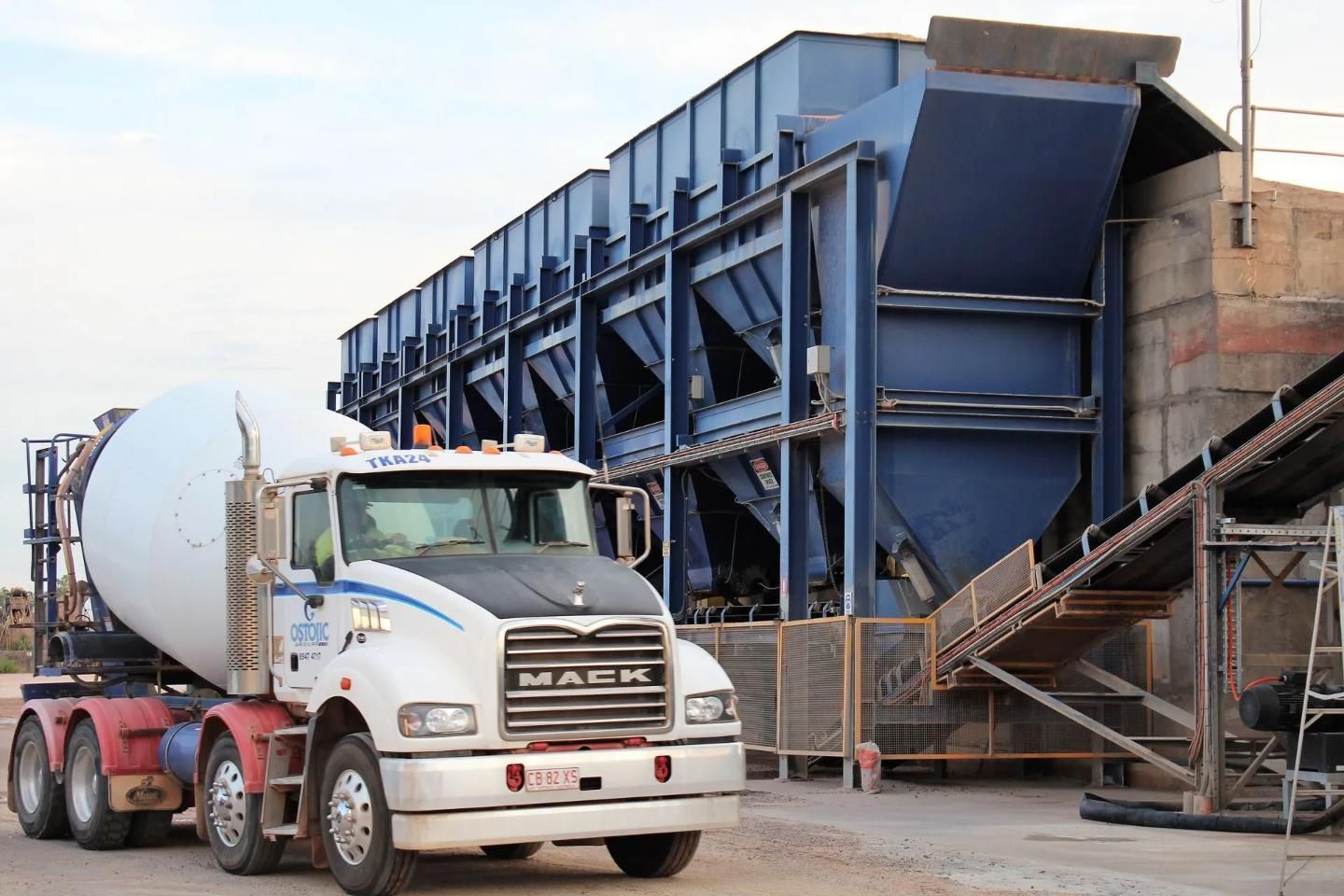
A Concrete Mixer Truck Parked Next to a Blue Concrete Batch Plant
By Ostojic Group April 16, 2026
Learn how to prevent concrete cracks with proper preparation, curing and ongoing care. Get expert advice on durable concrete in Darwin.
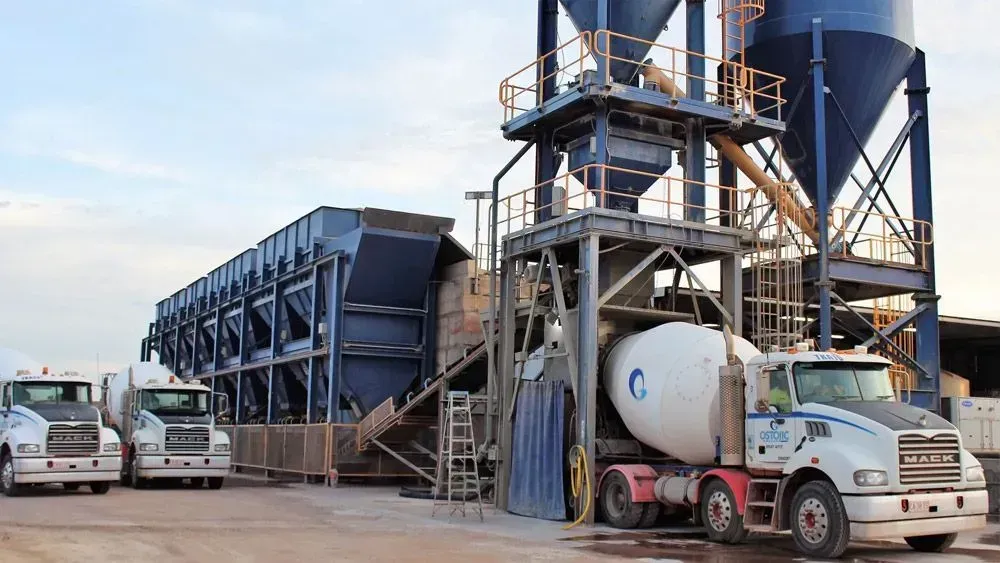
Concrete batching plant with large industrial silos and mixer trucks parked on-site
By Ostojic Group March 23, 2026
Concrete is widely used in residential and commercial construction due to its strength, durability and versatility, from driveways and footpaths to slabs.
Two White Cement Mixer Trucks Parked In Front Of Industrial Storage Silos
By Ostojic Group March 13, 2026
Proper site preparation is key for durable concrete in Darwin. Learn about soil compaction, levelling & drainage for a quality finish on your project.
White Concrete Truck Parked
By Ostojic Group January 13, 2026
Learn how concrete in Darwin strengthens commercial builds with durable foundations floors and infrastructure. Read now to plan your project.
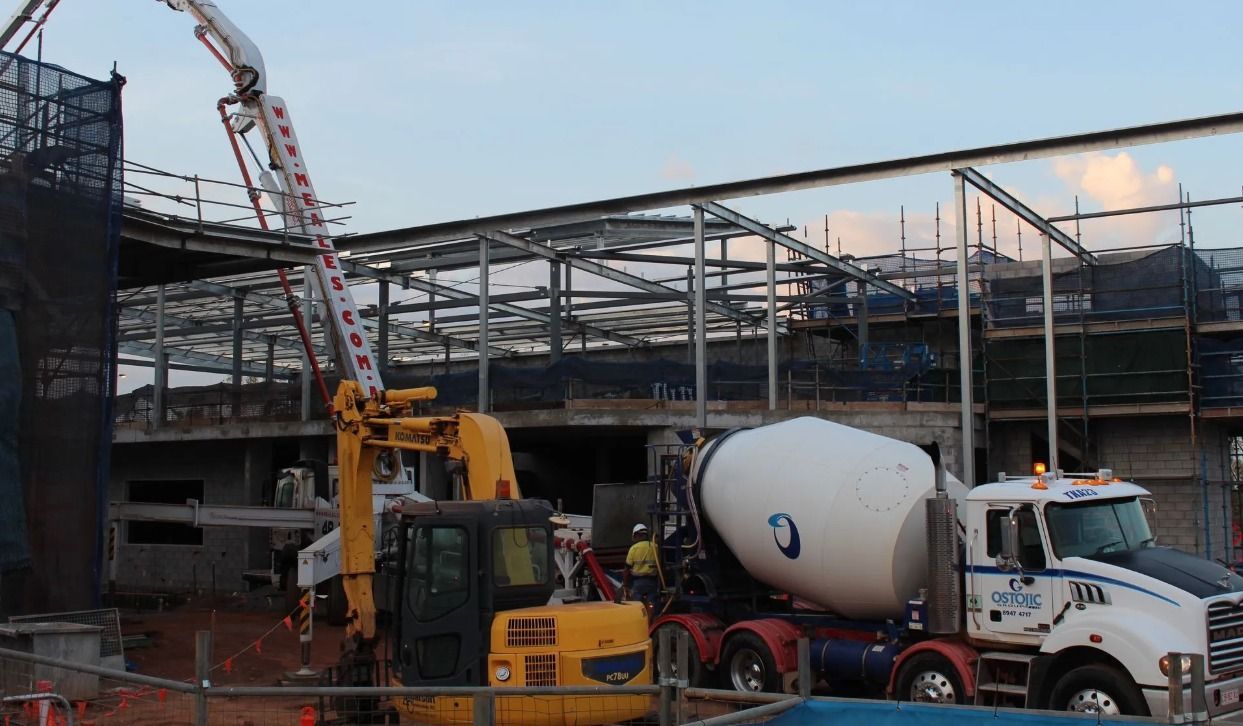
Cement Truck Positioned To Concrete
By Ostojic Group November 19, 2025
Best times to pour concrete in Darwin: early mornings or nights avoid heat and humidity, plus smart scheduling boosts strength. Contact us now!
Cement Mixer Truck With White Drum, Parked Outside, Blue And Red Accents
By Ostojic Group October 2, 2025
Discover why concrete is ideal for tropical conditions. Learn the benefits of durable, weather-resistant Concrete Darwin and start your project today.